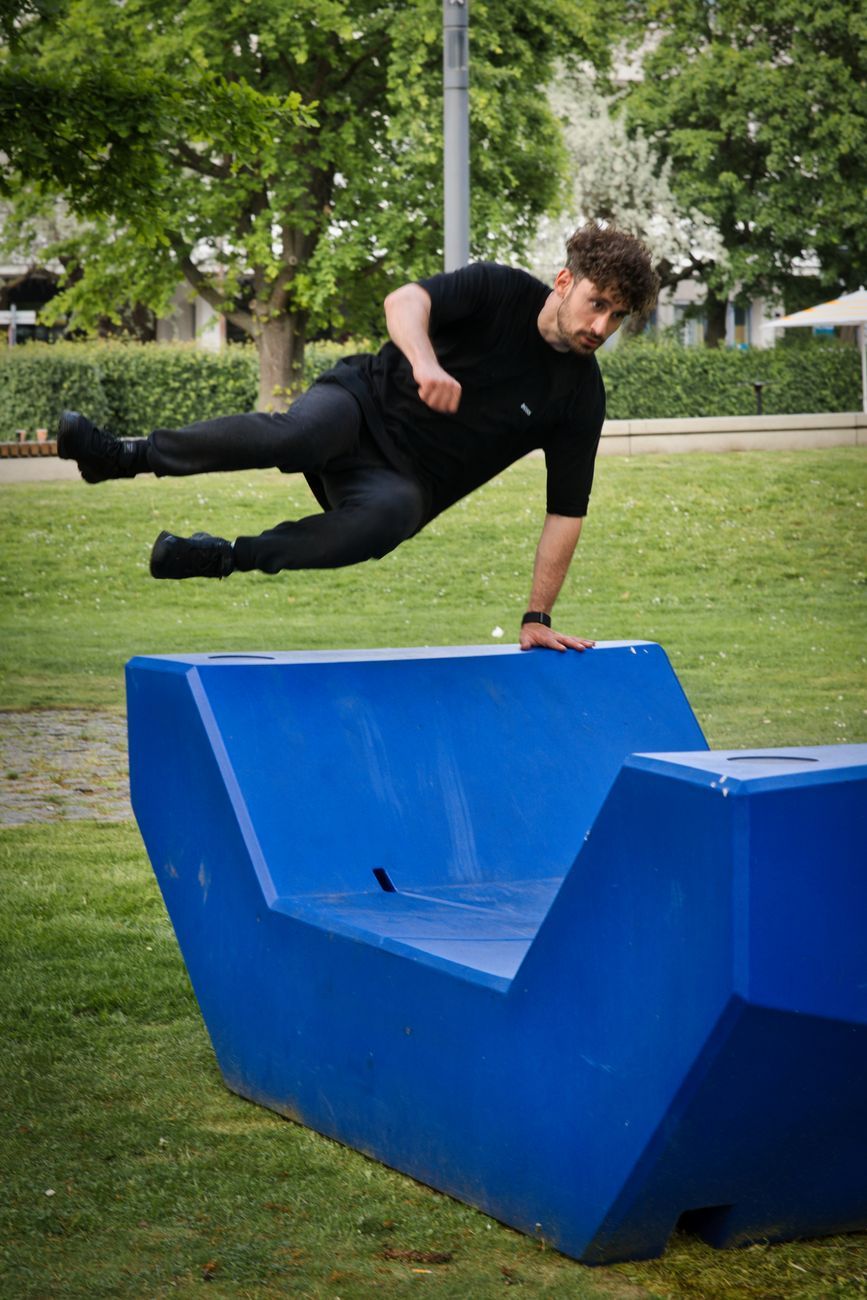
Parkour: How the Art of Overcoming Obstacles Turns the City into a Sports Playground
Sports & LeisureA wall can be more than a boundary, and a staircase more than a way to reach the next block. For people who practice parkour, the built environment becomes a landscape of routes, challenges, and creative possibilities. The discipline is about moving through obstacles efficiently and with control, using skills such as running, jumping, climbing, balancing, and landing. Rather than treating the city as a conventional sports venue, urban parkour invites participants to notice new paths through familiar spaces.

Parkour developed as a movement practice focused on adapting to surroundings. Freerunning shares many of its foundations, while often placing greater emphasis on expressive movement, including spins and flips. Both reward body awareness and creativity, but neither is simply about taking the biggest risk or making the most dramatic leap. Good movement depends on sound judgment: knowing what the body can do, what a surface can support, and when to choose another route.
Training Before Taking the Leap
Parkour training starts with fundamentals, not rooftop stunts. New practitioners can build strength, mobility, balance, and coordination on the ground or in a supervised gym. Basic parkour techniques include controlled landings, safe rolls, precise foot placement, and climbing with deliberate handholds. Repeating these skills at a manageable level helps develop confidence without turning every session into a test of courage.
For parkour for beginners, a suitable practice area matters. Look for open, low-risk spaces with permission to train, stable surfaces, and room to move without disrupting others. Begin with small obstacles, inspect them for wet patches or loose materials, and warm up before starting. A partner or qualified coach can offer helpful feedback, especially when learning unfamiliar movements. Progress gradually, rest when tired, and avoid copying advanced tricks seen in videos.
Obstacle course training can complement outdoor practice by providing purpose-built equipment and a predictable setting. It allows athletes to work on transitions, grip strength, and pacing while reducing the uncertainty of street furniture or changing conditions. Neither a gym nor the city is automatically safe; careful choices and supervision remain essential in both.
Movement with Benefits—and Responsibility
As one of many urban sports, parkour offers a lively form of outdoor fitness. Sessions can improve strength, agility, balance, and endurance, while also asking participants to solve problems in real time. Finding a route through an obstacle can sharpen focus and encourage persistence. Practicing with a group may build trust and a shared sense of achievement, too. These parkour benefits come from consistent, thoughtful practice, not from pushing past pain or ignoring limits.
Respect for the place is part of the discipline. Avoid private property, fragile structures, crowded walkways, and areas where training could put pedestrians at risk. Leave public spaces as you found them, follow local rules, and be considerate of residents and other users. The best route is not always the most difficult one; sometimes it is the one that keeps everyone safe.
Parkour turns everyday surroundings into an invitation to move with purpose. With patience, sound instruction, and attention to others, the city can become a playground for skill and imagination—one carefully chosen obstacle at a time.
Relevant posts
Sports & Leisure
Parkour: How the Art of Overcoming Obstacles Turns the City into a Sports Playground
A wall can be more than a boundary, and a staircase more than a way to reach the next block. For people who practise parkour, the built environment becomes a landscape of routes, challenges, and creative possibilities. The discipline is about moving through obstacles efficiently and with control, using skills such as running, jumping, climbing, balancing, and landing. Rather than treating the city as a conventional sports venue, urban parkour invites participants to notice new paths through fami...
Sports & Leisure
Home Climbing Wall: How to Turn a Workout into an Exciting Hobby
Are you looking for a fun and challenging way to stay fit at home? Consider turning your workout routine into an exciting hobby by setting up a home climbing wall! With indoor climbing gaining popularity as a full-body workout option, a home climbing wall is a great way to incorporate strength training, agility, and endurance into your daily fitness regimen.Building your own bouldering wall at home can be a rewarding project that not only enhances your physical fitness but also provides a creati...
Sports & Leisure
Camping with a Tent: What to Bring for a Comfortable Outdoor Adventure
Welcome to the world of tent camping, where nature's beauty meets outdoor adventure. Camping with a tent is a thrilling experience that allows you to immerse yourself in the great outdoors and disconnect from the hustle and bustle of daily life. To ensure a comfortable and enjoyable camping trip, it's essential to pack the right gear and equipment. Here's a guide on what to bring for a comfortable outdoor adventure.Camping Essentials:When embarking on a tent camping trip, it's crucial to pack th...
Sports & Leisure
How Hourly Space Rentals Are Changing the Way We Use Backyards
Backyards are no longer just for relaxing and hosting family barbecues. Thanks to the rise of hourly space rentals, homeowners are now able to use their outdoor spaces in creative and profitable ways. This trend is revolutionising the concept of backyard usage and opening up a wide range of opportunities for both homeowners and renters.Hourly space rentals allow individuals to rent out their backyards for various activities such as outdoor fitness classes, small events, photo shoots, and more. T...