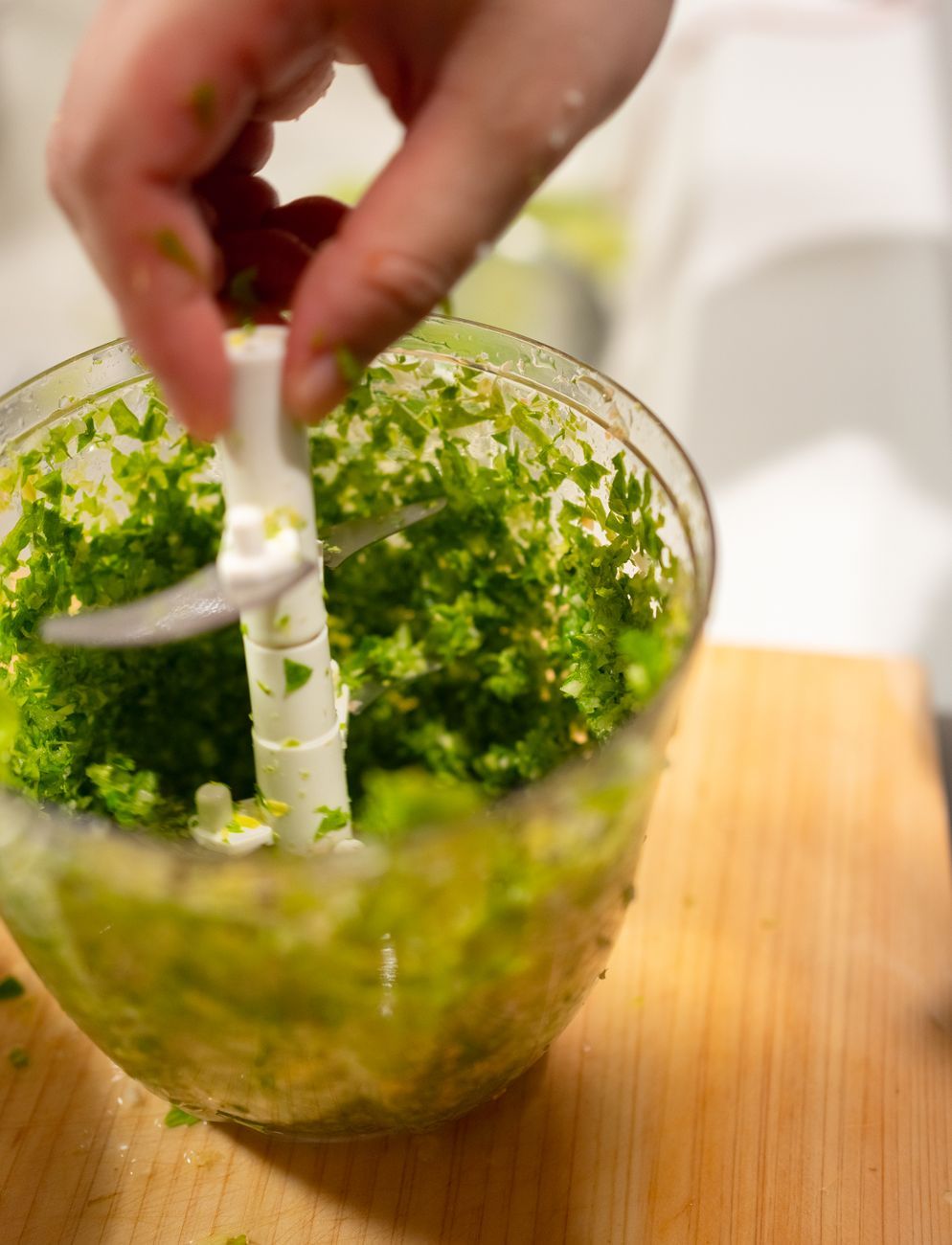
Manual vs. Electric Food Choppers: Which One Fits Your Kitchen?
Food & DrinksWhen it comes to food preparation, having the right tools can make a world of difference. One such tool that can greatly impact your cooking experience is a food chopper. Whether you opt for a manual or electric food chopper depends on your cooking style, preferences, and kitchen needs. Let’s delve into the differences between manual and electric food choppers to help you determine which one fits best in your kitchen.

Manual Food Choppers:
Manual food choppers are typically operated by hand, requiring you to press or pull a handle to chop the ingredients. These choppers are simple to use and do not require electricity, making them a great option for those who prefer a more hands-on approach to cooking. Manual food choppers are often compact in size, making them easy to store and ideal for small kitchens with limited counter space. Additionally, manual food choppers are usually more affordable than their electric counterparts.
One of the main advantages of manual food choppers is that you have greater control over the chopping process. You can choose the size and consistency of the chop based on how many times you pull the handle or press down on the device. This level of control can be especially useful when you want to achieve specific textures in your dishes.
However, manual food choppers require physical effort to operate, which may not be suitable for individuals with limited hand strength or mobility issues. Chopping harder or larger ingredients can also be more challenging and time-consuming with a manual chopper compared to an electric one.
Electric Food Choppers:
Electric food choppers, on the other hand, are powered by electricity and feature a motor that does the chopping for you. These choppers are designed to make food preparation quicker and easier, especially when dealing with tough or large ingredients. Electric food choppers are ideal for those who value convenience and efficiency in the kitchen.
One of the key benefits of electric food choppers is their speed and power. With just the press of a button, you can achieve consistent and uniform chops in a fraction of the time it would take with a manual chopper. Electric choppers also come with various settings that allow you to control the chopping process and customize the results to suit your preferences.
On the downside, electric food choppers tend to be larger and heavier than manual ones, making them less portable and requiring more storage space. Additionally, electric choppers are typically more expensive, which may be a deterrent for budget-conscious consumers.
So, Which One Should You Choose?
Ultimately, the choice between a manual and electric food chopper comes down to your cooking habits, kitchen setup, and personal preferences. If you enjoy the hands-on aspect of cooking, have limited counter space, and are on a budget, a manual food chopper may be the better option for you. On the other hand, if you prioritize speed, efficiency, and have the extra counter or storage space, an electric food chopper could be more suitable.
Consider the types of dishes you frequently prepare, the ingredients you use, and how often you cook to determine which type of food chopper aligns best with your needs. Whether you opt for a manual or electric food chopper, having this versatile tool in your kitchen can streamline your food preparation process and enhance your overall cooking experience.
Relevant posts
Food & Drinks
Manual vs. Electric Food Choppers: Which One Fits Your Kitchen?
When it comes to food preparation, having the right tools can make a world of difference. One such tool that can greatly impact your cooking experience is a food chopper. Whether you opt for a manual or electric food chopper depends on your cooking style, preferences, and kitchen needs. Let’s delve into the differences between manual and electric food choppers to help you determine which one fits best in your kitchen.Manual Food Choppers:Manual food choppers are typically operated by hand, req...
Food & Drinks
Why Butter Is Back in Style: The Return of a Classic to the Modern Kitchen
In the fast-paced world of culinary trends, one classic ingredient has made a stunning comeback - butter. Once demonised for its high saturated fat content, butter is now back in fashion and gracing the shelves of modern kitchens around the world. Cooking with butter has become all the rage, with food enthusiasts rediscovering the rich flavour and versatility that this natural fat has to offer.One of the main reasons behind the butter comeback is its unmatched flavour profile. Unlike processed o...
Food & Drinks
Why Pistachios Have Become a Major Food Trend: From Desserts to Unusual Sauces
Over the past few years, pistachios have taken the culinary world by storm, becoming a major food trend that has infiltrated various dishes from desserts to unusual sauces. This rise in popularity can be attributed to the unique flavour profile and versatility of pistachios, making them a staple ingredient in modern cuisine.One of the main reasons behind the pistachio trend is the growing interest in incorporating different flavours and textures into dishes. Pistachios offer a rich, nutty flavou...
Food & Drinks
Canning and Freezing Season: The Gear That Makes It Painless
As harvest season approaches, many of us find ourselves with an abundance of fresh produce that we want to preserve for the coming months. Canning and freezing are two popular methods of food preservation that can help us enjoy the taste of summer well into the winter. To make the process as painless as possible, having the right equipment is key. Here are some essential canning and freezing gear that will make preserving your harvest a breeze:Canning and Freezing Equipment:1. Canning Supplies f...