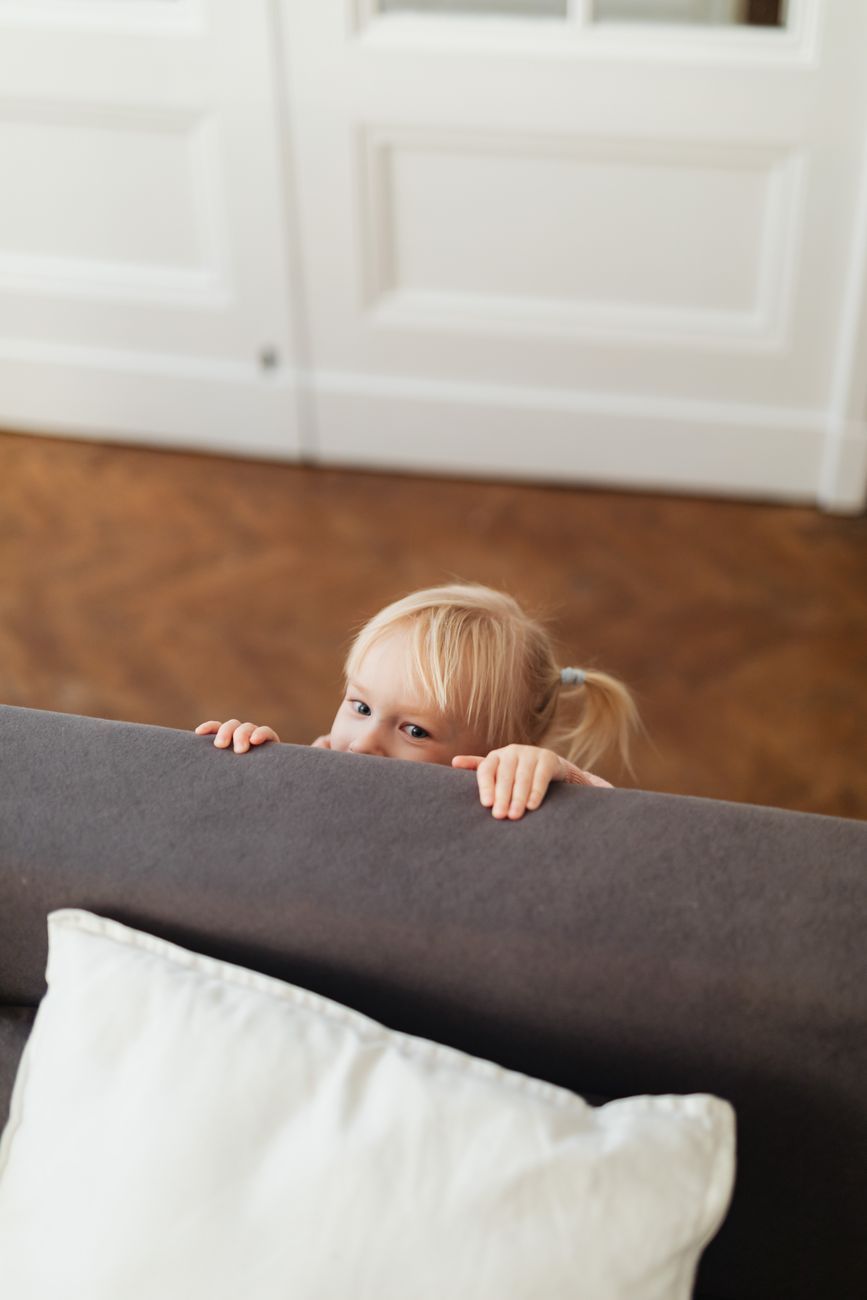
Why Do Children Love to Hide? Insights from Child Psychologists
BabyChildren have a natural inclination to hide, and this behavior can be both fascinating and perplexing for parents. Child psychologists have delved into the reasons behind this common behavior and have uncovered valuable insights that shed light on why kids hide and what it means for their development.

One of the key reasons children love to hide is rooted in their cognitive and emotional development. For young children, hiding can be a form of imaginative play and a way to exercise their budding creativity. By concealing themselves in closets, under tables, or behind curtains, children engage in make-believe scenarios that allow them to explore different roles and experiment with their surroundings.
Moreover, the act of hiding provides children with a sense of control and independence. In a world where many aspects of their lives are dictated by adults, hiding gives children the power to choose when and where they reveal themselves. This autonomy is crucial for their sense of self and builds confidence as they navigate the world around them.
Child psychologists also point to the role of emotional security in driving children's hiding behavior. Hiding can serve as a coping mechanism for children dealing with overwhelming emotions such as fear, anxiety, or stress. By retreating to a hidden spot, children create a safe space where they feel protected from external pressures and can process their feelings in peace.
Another factor contributing to children's love of hiding is the element of surprise and excitement. Games like hide and seek capitalize on this thrill of discovery, where the seeker's search and the hider's anticipation create a dynamic interplay of suspense and joy. This excitement not only entertains children but also fosters their social development by teaching them the importance of cooperation and strategic thinking.
Understanding children's hiding behavior is also crucial for parents as they navigate the challenges of raising independent and emotionally resilient kids. By recognizing the motivations behind their children's desire to hide, parents can support their development by providing a balance of guidance and freedom. Encouraging imaginative play, respecting children's need for privacy, and fostering open communication are all ways parents can nurture their children's emerging sense of self.
As children progress through different developmental stages, their reasons for hiding may evolve, reflecting their growing cognitive abilities and emotional maturity. By observing and engaging with their hiding behavior, parents can gain valuable insights into their children's inner world and provide the support and guidance they need to thrive.
In conclusion, children's love of hiding is a multifaceted behavior that speaks to their innate curiosity, creativity, and emotional needs. By exploring the underlying reasons behind this behavior through the lens of child psychology, we can gain a deeper appreciation for the rich tapestry of children's minds and the importance of fostering their holistic development.
Relevant posts
Baby
Why Does Your Baby Keep Kicking Off the Blanket, and What Can You Use Instead for Safer Sleep?
Have you ever tucked your baby in with a cosy blanket only to find them kicking it off moments later? It's a common scenario that many parents encounter during bedtime. While it may seem like just a minor inconvenience, a baby kicking off the blanket can actually pose a safety risk during sleep. So, why does your baby keep kicking off the blanket, and what can you use instead for safer sleep?One of the main reasons why babies kick off blankets is due to their natural instinct to move and explore...
Baby
Silicone Tableware for Baby’s First Foods: Why More Parents Are Choosing It
As parents, we want the best for our little ones, especially when it comes to their nutrition and safety. Introducing solids to your baby is a major milestone, and choosing the right tableware can make a significant difference in their feeding journey. Silicone tableware has been gaining popularity among parents for its numerous benefits when it comes to baby feeding, particularly during the crucial stage of first foods and baby-led weaning. The Rise of Silicone Tableware...
Baby
Why a Mattress That’s Too Soft Isn’t Safe for Your Baby: Common Mistakes to Avoid
Welcome to the world of parenthood where every decision you make revolves around keeping your precious little one safe and sound, especially during sleep time. One crucial decision that often gets overlooked is choosing the right mattress for your baby's cot. A common mistake many parents make is opting for a mattress that's too soft, thinking it will provide the ultimate comfort for their bundle of joy. However, a soft mattress can pose serious risks to your baby's safety and well-being. When...
Baby
How to Choose Your Baby's First Bouncer
Welcome to the world of parenthood! As a new parent, you want to make sure you have all the essentials for your little one, and one of the must-have items is a baby bouncer. Baby bouncers provide a safe and comfortable spot for your newborn to relax, play, and even nap. With so many options available, choosing the right baby bouncer can seem overwhelming. In this guide, we'll walk you through everything you need to know to select the perfect bouncer for your baby.1. Safety FirstWhen it comes to...