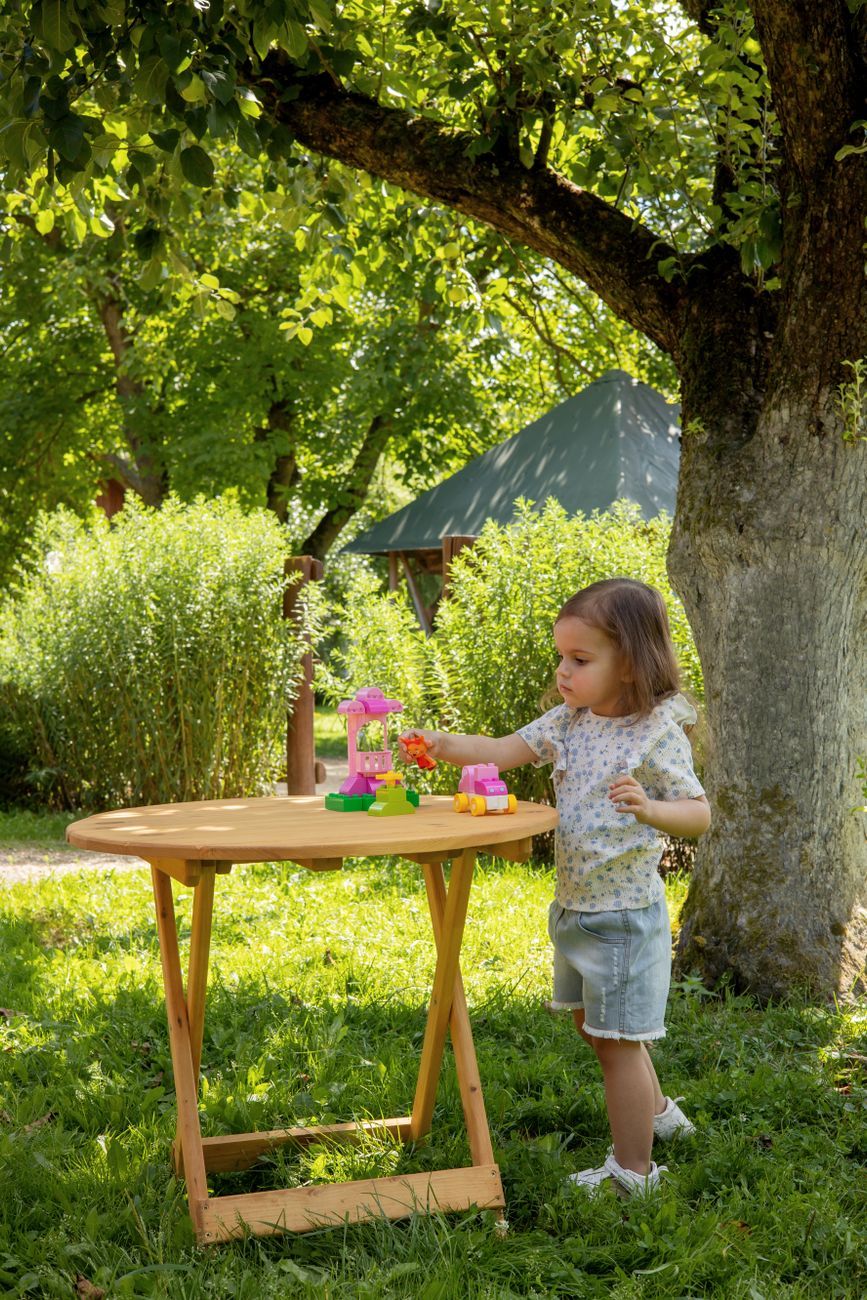
Independence from an Early Age: What Everyday Tasks Can You Entrust to Your Child?
BabyYoung children often want to do things for themselves long before they can do them perfectly. A toddler may insist on carrying a cup, pulling on a sock, or helping put toys away. These moments can take longer than doing the task for them, but they offer valuable practice. With thoughtful guidance, everyday routines can help build child independence, confidence, and practical skills.
Raising independent children does not mean expecting them to manage adult responsibilities or leaving them without support. It means giving them safe, achievable opportunities to participate, make small choices, and gradually take ownership of tasks that suit their age and abilities. The right approach combines encouragement with supervision, patience, and clear expectations. Over time, age-appropriate chores can become a natural part of family life and a gentle way of teaching kids responsibility.
Why Everyday Tasks Matter
Simple household activities can help children develop coordination, focus, problem-solving, and a sense of belonging. When a child puts a book back on a shelf or helps place napkins on the table, they learn that their actions contribute to a shared space. These experiences also give children chances to practice following steps, remembering routines, and coping with small mistakes.
These benefits are part of broader child development. A child who is learning to pour water, for example, is practicing hand control and judging how much to pour. A child who helps choose clothes is beginning to make decisions. And a child who puts away toys is learning to finish an activity by restoring the space. Such life skills for children develop through repetition, not through a single lesson.
Independence also grows when adults communicate trust. A sincere “You can try, and I’ll help if you need me” can encourage a child to make an effort. The goal is not a spotless room or a perfectly folded towel. The goal is meaningful participation and gradual progress.
Start with Readiness, Not Just Age
Age ranges can be useful starting points, but children develop at different rates. One preschooler may be ready to put on a jacket, while another may still need hands-on help. Consider your child’s coordination, attention, interest, and understanding of instructions. Also think about the task itself: Is it safe? Can it be broken into small steps? Is an adult available to supervise?
When introducing a new responsibility, demonstrate it slowly, then invite your child to try. Use short, clear instructions such as “Put the blocks in this box” rather than a broad direction like “Clean everything up.” If the task feels difficult, do part of it together. A child can build confidence by completing one manageable step before taking on more.
Everyday Tasks for Babies and Toddlers
Babies are not ready for chores, but they can participate in routines in simple ways. A baby may reach toward a soft toy when it is time to put it away or hold a washcloth during a supervised bath routine. Adults should handle all safety-sensitive tasks, including bathing, feeding, cleaning, and anything involving small objects or household products.
As toddlers become more mobile and curious, they can begin trying simple everyday tasks for children with close supervision. Depending on their abilities, a toddler might:
- Place a few toys in a low, open bin.
- Carry a lightweight item, such as a clean sock, to a laundry basket.
- Help put a board book back on a low shelf.
- Bring a diaper or pajamas to a caregiver.
- Try wiping a small spill with a cloth while an adult watches.
- Choose between two weather-appropriate outfits.
Keep toddler responsibilities brief and concrete. Use sturdy, child-safe objects, and avoid small items that could be choking hazards. Children this age need close adult attention around water, stairs, appliances, pets, and furniture they might climb. Participation should never replace supervision.
Preschoolers: Practicing Routines and Self-Care
Preschoolers are often eager to help, although their attention and coordination may still be developing. With reminders and a predictable routine, many can take on small self-care and household responsibilities. Possible tasks include:
- Putting shoes, a coat, or a backpack in a designated spot.
- Putting dirty clothes in a laundry basket.
- Helping set the table with unbreakable plates, cups, or napkins.
- Sorting toys or books into labeled bins.
- Wiping a child-height table with a damp cloth.
- Watering a plant with a small, manageable amount of water.
- Trying to wash hands, brush teeth, or dress with an adult nearby.
At this age, children may need help with buttons, zippers, or remembering each step. Offer assistance without taking over immediately. You might ask, “What comes next?” or “Would you like help with the sleeve?” This allows a child to stay involved while learning that asking for help is also a useful skill.
Early School-Age Children: Building Consistency
As children enter school, they can often manage responsibilities with fewer reminders, though their abilities vary. A child might pack a school bag with a checklist, put away personal belongings, feed a pet with adult oversight, help sort clean laundry, or prepare a simple snack using safe utensils. They may also be ready to make their bed, clear their place after a meal, and help gather items needed for the next day.
Choose kids daily responsibilities that fit the family routine and the child’s capacity. A small number of consistent tasks is usually more effective than a long list that changes every day. When a responsibility is new, keep instructions visible or practice it together. As the child becomes more capable, gradually reduce reminders rather than suddenly expecting flawless independence.
Safety remains central. Young children should not handle sharp knives, hot cookware, medicines, cleaning products, or electrical appliances without appropriate adult control. Pet care should be supervised, particularly when it involves food, unfamiliar animals, or any situation where a child or pet could be hurt.
How to Encourage Independence Without Pressure
Encouraging independence in kids is most effective when adults balance support with room to try. These parenting tips can make practice feel positive:
- Break tasks into steps. Show one part at a time, then let your child practice it.
- Allow extra time. Rushing often leads adults to take over, even when a child could manage with a little patience.
- Offer limited choices. “Would you like to put away the books or the blocks first?” gives a child agency without making the task overwhelming.
- Notice effort and strategy. Instead of focusing only on the result, say, “You carried the cup carefully,” or “You remembered where the toys go.”
- Make routines predictable. Repeating a task at the same time and in the same way helps children understand what is expected.
- Let safe mistakes teach. A crookedly arranged book or a shirt put on backward can be part of learning. Step in when safety, health, or genuine distress requires it.
- Model shared responsibility. Children learn from seeing adults care for belongings, clean up, and help other family members.
Try to avoid turning every task into a test. Children may resist when they feel watched for mistakes, compared with siblings, or praised only when they perform perfectly. Encouragement works best when it is warm and specific. If a child refuses, consider whether the task is too difficult, poorly timed, or unclear. You can offer help, simplify the expectation, and try again later.
Responsibility Should Grow Gradually
Teaching kids responsibility is a gradual process, not a demand for adult-level independence. A child may need reminders for months before a routine becomes familiar. That is normal. Responsibilities should also remain flexible: illness, fatigue, a new sibling, or a change in schedule may affect what a child can manage on a particular day.
Make sure a task is genuinely suitable before assigning it. Responsibilities should not interfere with sleep, play, learning, or a child’s sense of safety. Nor should young children be asked to manage adult problems or care for younger siblings without appropriate adult supervision. The aim is to invite participation, not shift the burden of household management onto a child.
As skills improve, ask what your child feels ready to try next. A child who has mastered putting away toys might help sort laundry or prepare a place at the table. Small increases in responsibility help children see a clear connection between practice and capability.
A Foundation for Lifelong Skills
Everyday tasks may look ordinary, but they offer repeated opportunities to practice independence, cooperation, and self-confidence. From returning a toy to its basket to getting ready for school, children learn through manageable responsibilities that they are capable contributors to family life. The most successful approach is steady and supportive: choose age-appropriate chores, teach the steps, supervise for safety, and recognize progress.
With patience, everyday routines become more than things to get through. They become a practical setting for building life skills for children and supporting healthy child development. By giving children room to participate while staying close enough to guide them, parents can help child independence grow at a pace that feels safe, respectful, and right for each child.

Relevant posts
Baby
Independence from an Early Age: What Everyday Tasks Can You Entrust to Your Child?
Young children often want to do things for themselves long before they can do them perfectly. A toddler may insist on carrying a cup, pulling on a sock, or helping put toys away. These moments can take longer than doing the task for them, but they offer valuable practice. With thoughtful guidance, everyday routines can help build child independence, confidence, and practical skills. Raising independent children does not mean expecting them to manage adult responsibilities or leaving them withou...
Baby
Why Does Your Baby Keep Kicking Off the Blanket, and What Can You Use Instead for Safer Sleep?
Have you ever tucked your baby in with a cosy blanket only to find them kicking it off moments later? It's a common scenario that many parents encounter during bedtime. While it may seem like just a minor inconvenience, a baby kicking off the blanket can actually pose a safety risk during sleep. So, why does your baby keep kicking off the blanket, and what can you use instead for safer sleep?One of the main reasons why babies kick off blankets is due to their natural instinct to move and explore...
Baby
Silicone Tableware for Baby’s First Foods: Why More Parents Are Choosing It
As parents, we want the best for our little ones, especially when it comes to their nutrition and safety. Introducing solids to your baby is a major milestone, and choosing the right tableware can make a significant difference in their feeding journey. Silicone tableware has been gaining popularity among parents for its numerous benefits when it comes to baby feeding, particularly during the crucial stage of first foods and baby-led weaning. The Rise of Silicone Tableware...
Baby
Why a Mattress That’s Too Soft Isn’t Safe for Your Baby: Common Mistakes to Avoid
Welcome to the world of parenthood where every decision you make revolves around keeping your precious little one safe and sound, especially during sleep time. One crucial decision that often gets overlooked is choosing the right mattress for your baby's cot. A common mistake many parents make is opting for a mattress that's too soft, thinking it will provide the ultimate comfort for their bundle of joy. However, a soft mattress can pose serious risks to your baby's safety and well-being. When...