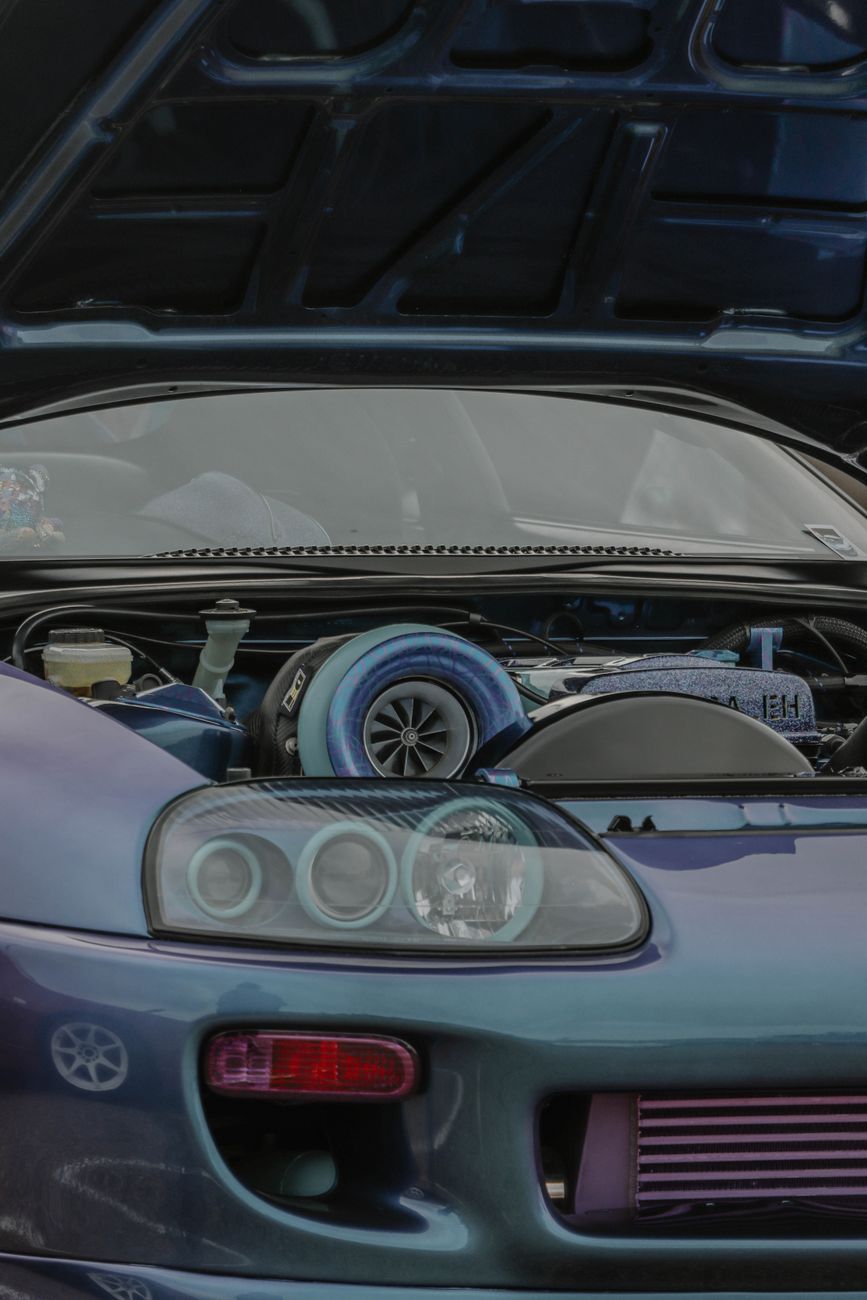
Why Do Modern Turbocharged Engines Last Less Than Naturally Aspirated Ones? Myths and Reality
AutoThe automotive industry has seen a significant shift towards turbocharged engines in recent years, with many modern vehicles opting for forced induction to boost performance and improve fuel efficiency. However, there's a persistent myth that turbocharged engines don't last as long as naturally aspirated ones. Let's delve into the reality behind this myth and explore the factors that affect engine longevity.

One of the main reasons why turbocharged engines are believed to have a shorter lifespan than naturally aspirated engines is the added complexity of turbocharging. Turbochargers operate at high speeds and temperatures, leading to increased wear and tear on the engine components. Additionally, the higher levels of boost pressure in turbocharged engines can put additional stress on internal parts, potentially leading to premature engine failure.
Another factor that contributes to the perception of turbo engine reliability is the misconception that turbochargers themselves have a limited lifespan. While it's true that turbochargers can fail over time, proper maintenance and care can help prolong their lifespan. Regular oil changes, using high-quality synthetic oil, and allowing the turbocharger to cool down after hard driving can all contribute to extending the turbocharger's longevity.
However, it's important to note that advancements in technology and engineering have greatly improved the durability of modern turbocharged engines. Manufacturers have implemented robust materials, improved lubrication systems, and sophisticated engine management systems to ensure the reliability of turbocharged powertrains. In fact, many modern turbocharged engines are engineered to last as long as their naturally aspirated counterparts when properly maintained.
When comparing turbocharged and naturally aspirated engines, it's essential to consider that both types of powertrains require regular maintenance to ensure optimal performance and longevity. Neglecting engine maintenance, such as skipping oil changes, ignoring warning lights, and failing to address minor issues, can significantly impact the lifespan of any engine, regardless of its forced induction system.
While it's true that turbocharged engines may require more frequent maintenance due to the added complexity of turbocharging, following the manufacturer's recommended maintenance schedule can help mitigate any potential issues and ensure the longevity of the engine. Routine inspections, checking for leaks, monitoring boost levels, and addressing any abnormal noises can all help prevent major engine components from failing prematurely.
In conclusion, the belief that turbocharged engines inherently last less than naturally aspirated engines is a common misconception rooted in outdated information and myths. Modern car engines, whether turbocharged or naturally aspirated, are designed to provide reliable performance and durability when properly maintained. By staying proactive with engine maintenance and addressing any issues promptly, drivers can enjoy the benefits of turbocharged performance without compromising engine longevity.
It's crucial to dispel the myths surrounding turbocharged engines and recognize the advancements in technology that have made modern turbo engines just as durable and reliable as naturally aspirated ones. Ultimately, the key to maximizing the lifespan of any engine lies in regular maintenance, responsible driving habits, and a proactive approach to addressing potential issues before they escalate.
Relevant posts
Auto
Why Has the Steering Wheel Become Harder to Turn? 6 Possible Causes
Do you find yourself struggling to turn the steering wheel of your vehicle? A hard steering wheel can be frustrating and dangerous, making it difficult to manoeuvre your car smoothly. There are various reasons why your steering wheel may have become harder to turn, and understanding these causes can help you troubleshoot the issue efficiently.1. Power Steering FailureOne of the most common reasons for a hard steering wheel is power steering failure. The power steering system helps you turn the w...
Auto
Why Does Your Car Pull to One Side? 5 Causes You Shouldn’t Ignore
Welcome to the world of car ownership, where unexpected issues can arise without warning. One common problem you might encounter is your car pulling to one side while you’re cruising down the road. This can be a frustrating and potentially dangerous situation, as it affects your vehicle's handling and overall safety. In this article, we’ll explore five reasons why your car might be pulling to one side and why you shouldn’t ignore these warning signs.1. Wheel AlignmentOne of the most common...
Auto
Why Do Modern Turbocharged Engines Last Less Than Naturally Aspirated Ones? Myths and Reality
The automotive industry has seen a significant shift towards turbocharged engines in recent years, with many modern vehicles opting for forced induction to boost performance and improve fuel efficiency. However, there's a persistent myth that turbocharged engines don't last as long as naturally aspirated ones. Let's delve into the reality behind this myth and explore the factors that affect engine longevity.One of the main reasons why turbocharged engines are believed to have a shorter lifespan...
Auto
What You Need to Know About a CVT Before Buying a Car
Considering purchasing a new car but confused about the CVT transmission? Before you make a decision, it's essential to understand what a Continuously Variable Transmission or CVT gearbox is and how it differs from a traditional automatic transmission. This article will provide you with all the information you need to know about CVT transmissions, including their pros and cons, reliability, maintenance, and everything you should consider before buying a car with a CVT.What is a CVT?A Continuousl...