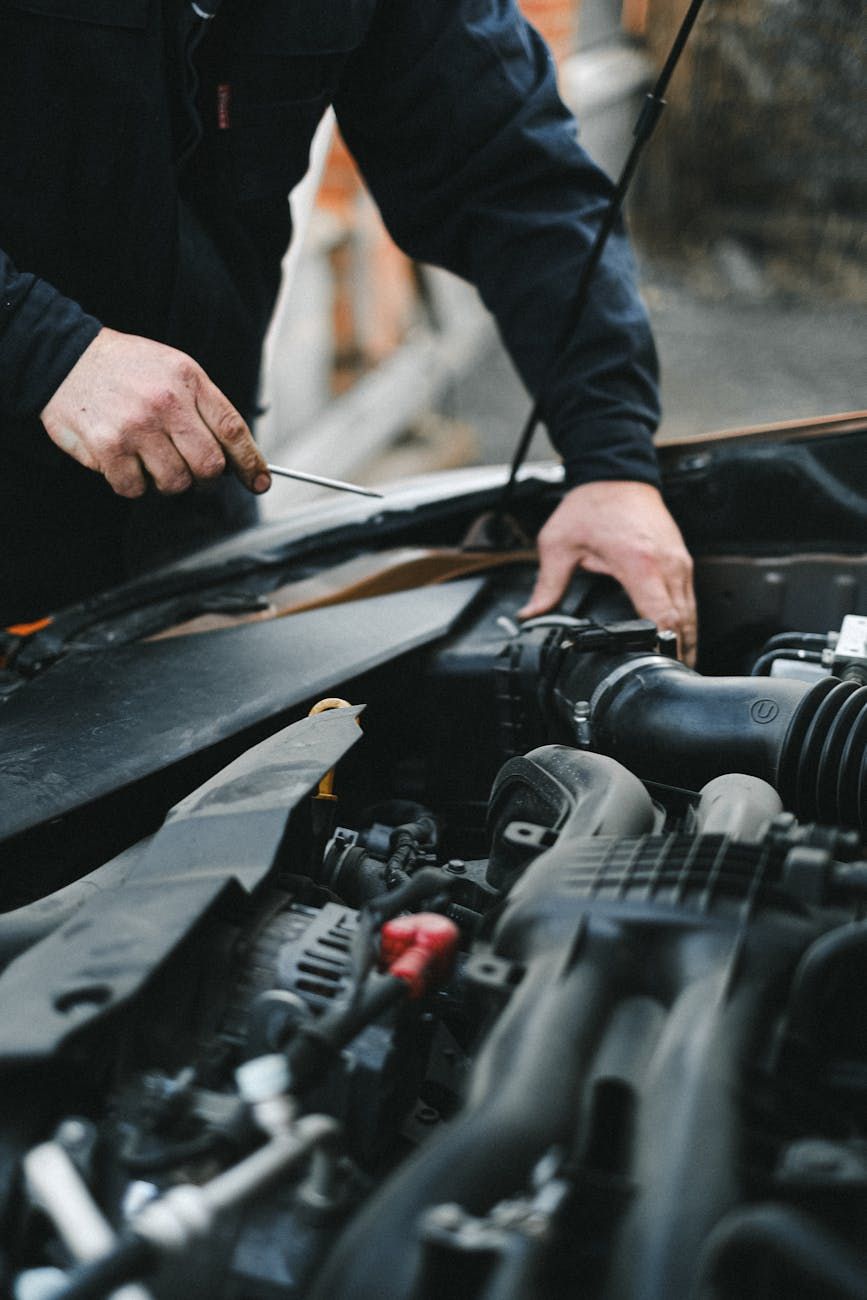
How to Extend Engine Life: Simple Maintenance Rules
AutoWhether you are a car enthusiast or just a regular driver, understanding how to extend engine lifespan is crucial for keeping your vehicle running smoothly. By following some simple engine maintenance rules, you can protect your engine, increase its durability, and save on costly repairs in the long run. In this car engine care guide, we will provide you with valuable tips and advice on how to protect your engine and prevent damage.

Regular oil changes are one of the most important engine maintenance tips you can follow to ensure the longevity of your vehicle. Oil helps lubricate the engine parts and prevents them from wearing out too quickly. Make sure to check your car's owner's manual for the recommended oil change intervals and stick to them religiously. Using the right type of oil for your engine is also essential, so consult with your mechanic if you are unsure.
Another crucial aspect of vehicle engine maintenance is keeping your engine cool. Overheating can cause significant damage to your engine, so make sure that your cooling system is in good working condition. Check the coolant levels regularly and top up if necessary. If you notice any leaks or overheating issues, have them addressed by a professional mechanic immediately.
Clean air is vital for the proper functioning of your engine, so be sure to replace the air filter regularly. A dirty air filter can restrict airflow to the engine, causing it to work harder and potentially leading to damage. Check your air filter at least every 12,000 to 15,000 miles or as recommended by your car's manufacturer.
Regularly inspecting and maintaining your spark plugs is another important engine protection method. Spark plugs play a key role in igniting the air-fuel mixture in the engine cylinders, so if they are worn out or dirty, your engine's performance will suffer. Replace your spark plugs as needed to ensure optimal engine performance.
One of the best ways to increase engine durability is to drive your car gently and avoid sudden accelerations or heavy braking. Aggressive driving can put unnecessary strain on your engine and reduce its lifespan. By practicing smooth and steady driving habits, you can prolong the life of your engine and save on engine repair costs in the future.
Regularly checking your engine for any signs of wear or damage is also crucial for preventing engine damage. Look out for leaks, strange sounds, or warning lights on your dashboard, as these can indicate potential issues with your engine. Addressing problems early on can help you avoid more extensive and expensive repairs down the line.
In conclusion, taking care of your engine is essential for ensuring the longevity and performance of your vehicle. By following these engine maintenance tips and adopting good car owner engine advice, you can protect your engine, increase its durability, and save money on costly repairs. Remember that proper engine maintenance is not only about keeping your car running smoothly but also about ensuring your safety on the road. So, make engine care a priority and enjoy a worry-free driving experience.
Relevant posts
Auto
360° Surround View System: How Cameras Help You Park Even in the Tightest Spaces
Parking in a narrow garage, squeezing between two vehicles, or edging towards a kerb can make even an experienced driver second-guess every move. A 360-degree surround view system helps by combining images from several small cameras to create a view of the area around the vehicle. Instead of relying only on mirrors and a rear-view display, drivers can see obstacles near the front, sides, and back while manoeuvring at low speeds. How the system creates a bird’s-eye view Most systems use cam...
Auto
Why Has the Steering Wheel Become Harder to Turn? 6 Possible Causes
Do you find yourself struggling to turn the steering wheel of your vehicle? A hard steering wheel can be frustrating and dangerous, making it difficult to manoeuvre your car smoothly. There are various reasons why your steering wheel may have become harder to turn, and understanding these causes can help you troubleshoot the issue efficiently.1. Power Steering FailureOne of the most common reasons for a hard steering wheel is power steering failure. The power steering system helps you turn the w...
Auto
Why Does Your Car Pull to One Side? 5 Causes You Shouldn’t Ignore
Welcome to the world of car ownership, where unexpected issues can arise without warning. One common problem you might encounter is your car pulling to one side while you’re cruising down the road. This can be a frustrating and potentially dangerous situation, as it affects your vehicle's handling and overall safety. In this article, we’ll explore five reasons why your car might be pulling to one side and why you shouldn’t ignore these warning signs.1. Wheel AlignmentOne of the most common...
Auto
Why Do Modern Turbocharged Engines Last Less Than Naturally Aspirated Ones? Myths and Reality
The automotive industry has seen a significant shift towards turbocharged engines in recent years, with many modern vehicles opting for forced induction to boost performance and improve fuel efficiency. However, there's a persistent myth that turbocharged engines don't last as long as naturally aspirated ones. Let's delve into the reality behind this myth and explore the factors that affect engine longevity.One of the main reasons why turbocharged engines are believed to have a shorter lifespan...