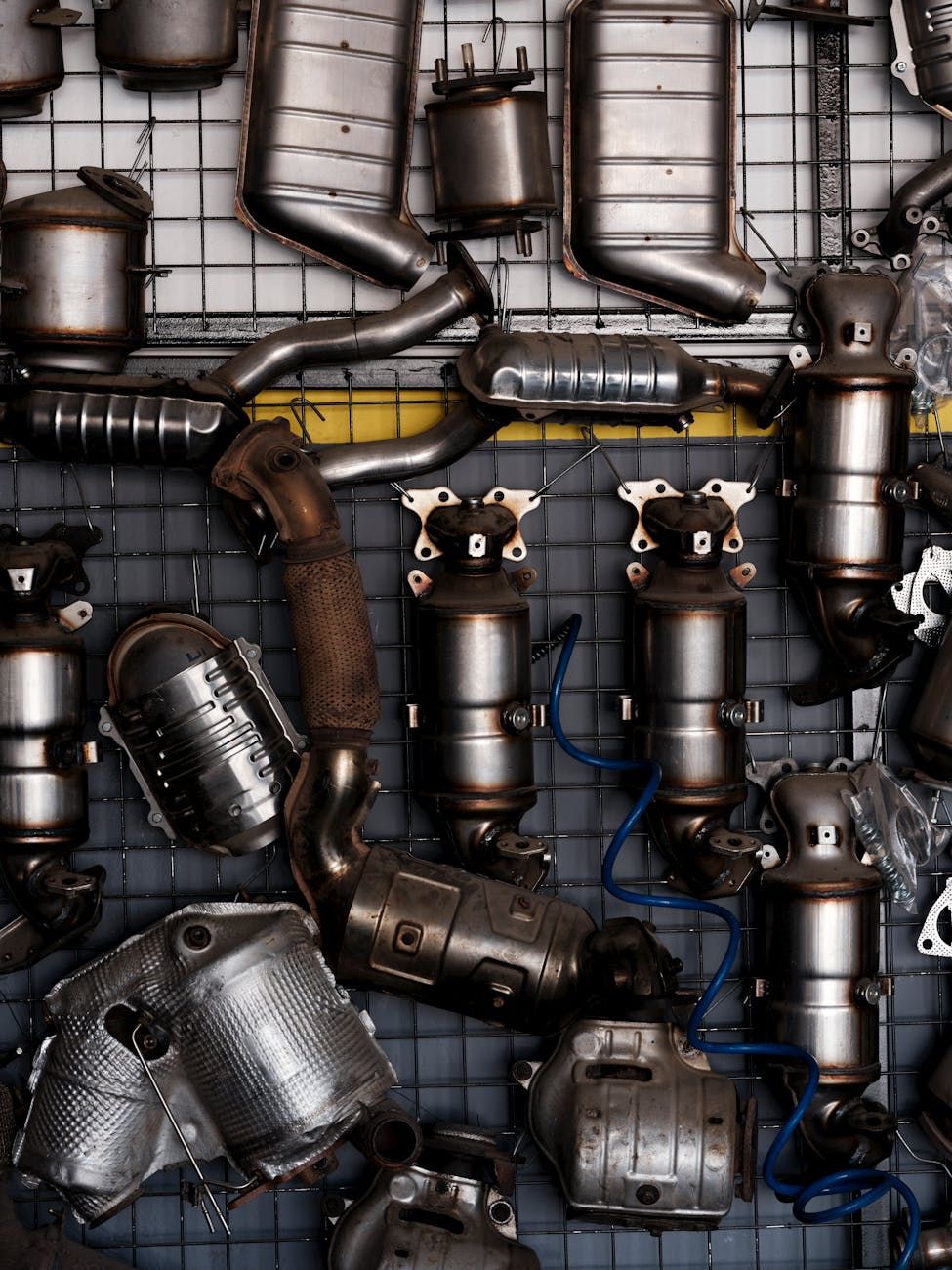
Everything You Need to Know About Upgrading Your Catalytic Converter
AutoThe catalytic converter plays a crucial role in your vehicle's exhaust system by converting harmful pollutants into less harmful emissions before they exit the tailpipe. Over time, catalytic converters can wear out and become less effective, leading to increased emissions and potential performance issues. If you're considering upgrading your catalytic converter, here's everything you need to know.

1. Why Upgrade?
Upgrading your catalytic converter can offer several benefits, such as improved fuel efficiency, increased horsepower, and reduced emissions. Newer catalytic converters are designed to be more efficient and can help your vehicle run more smoothly.
2. Types of Catalytic Converters
There are two main types of catalytic converters: traditional ceramic and newer metallic converters. Ceramic converters are the most common and are more affordable, while metallic converters offer better performance but come at a higher cost.
3. Consider Your Vehicle
Before upgrading your catalytic converter, consider your vehicle's make and model. Not all catalytic converters are compatible with every vehicle, so make sure to choose one that is designed specifically for your car or truck.
4. Legal Requirements
It's essential to check the legal requirements in your area before upgrading your catalytic converter. Some states have strict emissions regulations and only allow certain types of catalytic converters to be installed. Make sure you comply with local laws to avoid any fines or penalties.
5. Professional Installation
While it's possible to upgrade your catalytic converter yourself, it's usually best to have it installed by a professional mechanic. This ensures that the converter is installed correctly and efficiently, maximizing its performance and lifespan.
6. Cost Considerations
Upgrading your catalytic converter can be a significant investment, so it's essential to consider the cost before making a decision. Compare prices from different manufacturers and consider the long-term benefits of upgrading, such as improved fuel efficiency and reduced maintenance costs.
7. Environmental Impact
By upgrading your catalytic converter, you're not only helping your vehicle run better but also reducing harmful emissions that contribute to air pollution. Investing in a more efficient catalytic converter is a step towards a cleaner environment and can help limit your carbon footprint.
Conclusion
Upgrading your catalytic converter is a decision that can benefit both your vehicle's performance and the environment. By choosing the right converter for your vehicle and ensuring it's installed correctly, you can enjoy improved efficiency and reduced emissions for years to come.
Relevant posts
Auto
Why Has the Steering Wheel Become Harder to Turn? 6 Possible Causes
Do you find yourself struggling to turn the steering wheel of your vehicle? A hard steering wheel can be frustrating and dangerous, making it difficult to manoeuvre your car smoothly. There are various reasons why your steering wheel may have become harder to turn, and understanding these causes can help you troubleshoot the issue efficiently.1. Power Steering FailureOne of the most common reasons for a hard steering wheel is power steering failure. The power steering system helps you turn the w...
Auto
Why Does Your Car Pull to One Side? 5 Causes You Shouldn’t Ignore
Welcome to the world of car ownership, where unexpected issues can arise without warning. One common problem you might encounter is your car pulling to one side while you’re cruising down the road. This can be a frustrating and potentially dangerous situation, as it affects your vehicle's handling and overall safety. In this article, we’ll explore five reasons why your car might be pulling to one side and why you shouldn’t ignore these warning signs.1. Wheel AlignmentOne of the most common...
Auto
Why Do Modern Turbocharged Engines Last Less Than Naturally Aspirated Ones? Myths and Reality
The automotive industry has seen a significant shift towards turbocharged engines in recent years, with many modern vehicles opting for forced induction to boost performance and improve fuel efficiency. However, there's a persistent myth that turbocharged engines don't last as long as naturally aspirated ones. Let's delve into the reality behind this myth and explore the factors that affect engine longevity.One of the main reasons why turbocharged engines are believed to have a shorter lifespan...
Auto
What You Need to Know About a CVT Before Buying a Car
Considering purchasing a new car but confused about the CVT transmission? Before you make a decision, it's essential to understand what a Continuously Variable Transmission or CVT gearbox is and how it differs from a traditional automatic transmission. This article will provide you with all the information you need to know about CVT transmissions, including their pros and cons, reliability, maintenance, and everything you should consider before buying a car with a CVT.What is a CVT?A Continuousl...