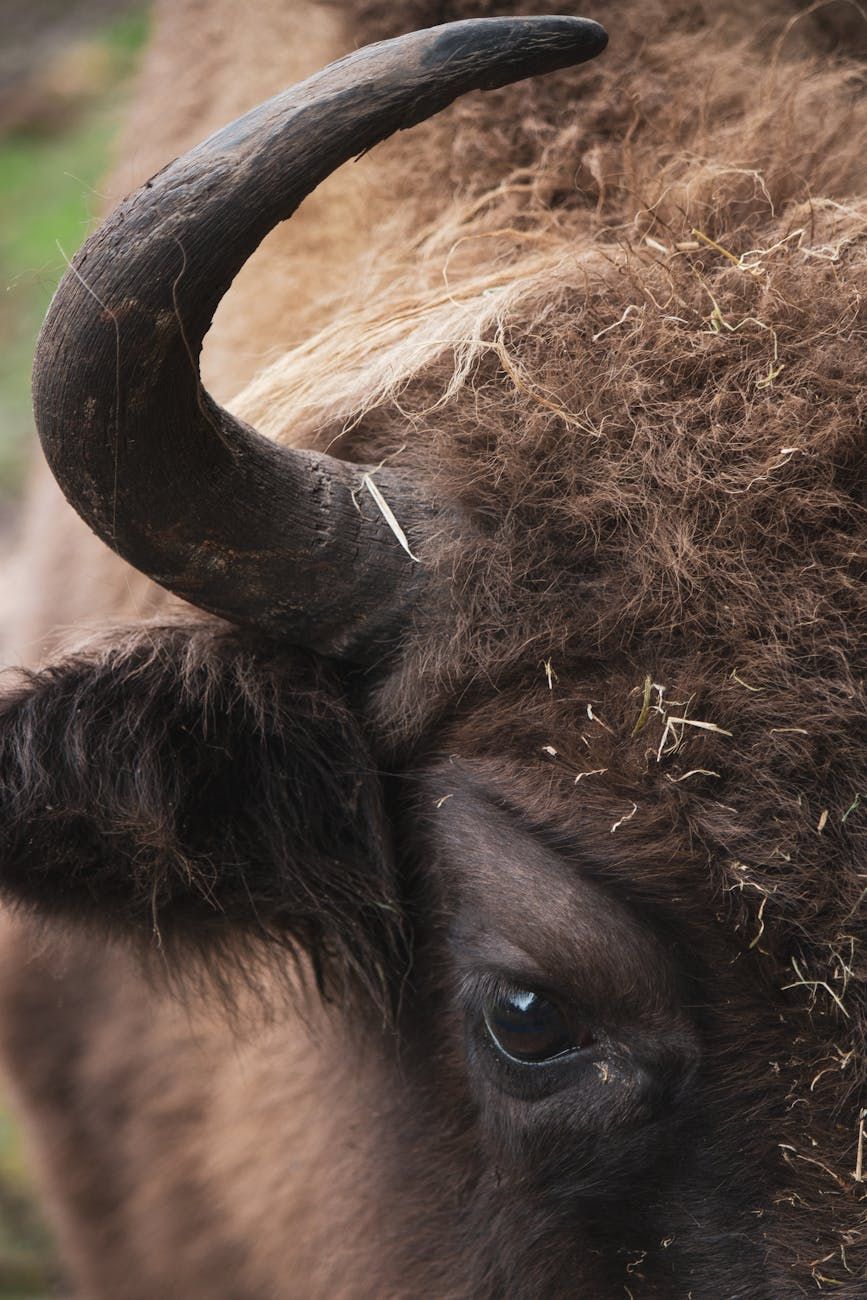
Rare and Endangered Species: Who We May Lose Forever
Animals & PetsOur planet is home to an incredible array of wildlife, from the tiniest insects to the largest mammals. Unfortunately, many of these creatures are facing serious threats due to human activities, leading to a decline in their populations and pushing them towards the brink of extinction. The loss of rare and endangered species not only diminishes the beauty and diversity of our natural world but also disrupts the delicate balance of ecosystems on which all living beings depend.

One of the major challenges facing these rare species is habitat destruction. As human populations grow and expand, forests are cleared, wetlands drained, and grasslands converted into farmland. This destruction not only robs animals of their homes but also fragments their habitats, making it difficult for them to find food, mates, and shelter. Without intact and healthy habitats, rare species struggle to survive and reproduce, leading to a decline in their numbers.
Another significant threat to endangered animals is poaching and illegal wildlife trade. Many species are targeted for their fur, horns, bones, or other body parts, which are prized in traditional medicine, fashion, or as luxury goods. The demand for these products drives poachers to hunt rare animals relentlessly, pushing them closer to extinction. Despite international efforts to combat illegal wildlife trade, many species continue to be killed for profit.
Climate change is also taking a toll on rare and endangered species. Rising temperatures, shifting weather patterns, and extreme weather events are disrupting ecosystems around the world. Species that are already struggling to survive due to other threats find it difficult to adapt to these rapid changes, further endangering their survival. From polar bears in the Arctic to coral reefs in the oceans, climate change is posing a serious risk to many rare and endangered species.
The loss of biodiversity has far-reaching consequences for all life on Earth. Each species plays a unique role in its ecosystem, and the disappearance of one can set off a chain reaction that impacts other plants and animals. Biodiversity loss weakens the resilience of ecosystems, making them more susceptible to disease, invasive species, and environmental degradation. Protecting rare and endangered species is not just about saving individual animals—it is about safeguarding the web of life that sustains us all.
Despite the challenges facing rare and endangered species, there is hope. Conservation efforts around the world are working tirelessly to protect and restore habitats, combat illegal wildlife trade, and raise awareness about the importance of biodiversity. Governments, NGOs, scientists, and local communities are coming together to save endangered species and ensure a future where wildlife can thrive.
But the task is not easy, and the clock is ticking. Time is running out for many rare and endangered species, and urgent action is needed to prevent their extinction. Whether it's supporting conservation organizations, reducing your carbon footprint, or advocating for stronger environmental policies, each one of us has a role to play in saving disappearing wildlife. Together, we can make a difference and ensure a world where rare species are protected and cherished for generations to come.
Relevant posts
Animals & Pets
How Does a Giraffe Drink Water? Why a Simple Task Becomes a Real Challenge
Giraffes are fascinating creatures that roam the savannas of Africa, captivating anyone who sees them with their majestic appearance and graceful movements. These gentle giants are known for their long necks, towering legs, and distinctive spotted coats. However, one aspect of a giraffe's daily life that often goes unnoticed is how they drink water. What seems like a simple task for most animals becomes a remarkable challenge for these towering herbivores.Understanding how giraffes drink water r...
Animals & Pets
Why Does Your Dog Eat Grass on Walks, and Should You Stop It?
Dogs are known to exhibit various behaviours that may leave pet owners scratching their heads in confusion. One common behaviour that many dogs display during walks is eating grass. If you've ever wondered why your furry companion insists on nibbling grass blades during your stroll in the park, you're not alone. In this article, we will delve into the reasons behind why dogs eat grass on walks and whether or not you should stop this behaviour.First and foremost, it's essential to understand that...
Animals & Pets
Hippos: Why One of Africa's Most Dangerous Animals Looks So Calm
When you think of dangerous animals in Africa, lions, elephants, and crocodiles may come to mind. However, one of the most dangerous animals on the continent often goes overlooked due to its seemingly calm demeanour - the hippopotamus.Hippos, or hippopotamuses, are massive creatures that can be found in various bodies of water throughout Africa. Despite their peaceful appearance as they lazily float in rivers or lakes, hippos are responsible for more human deaths in Africa than any other large a...
Animals & Pets
Raccoon: Fascinating Habits and Unique Behavioural Traits
Welcome to the fascinating world of raccoons! These intriguing creatures, known for their distinctive black mask and ringed tail, exhibit a variety of unique behavioural traits and habits that make them truly captivating members of the animal kingdom.Raccoons, scientifically classified as Procyon lotor, are nocturnal animals, which means they are most active during the night. Their keen sense of night vision and sharp claws enable them to navigate through darkness with ease, making them well-ada...