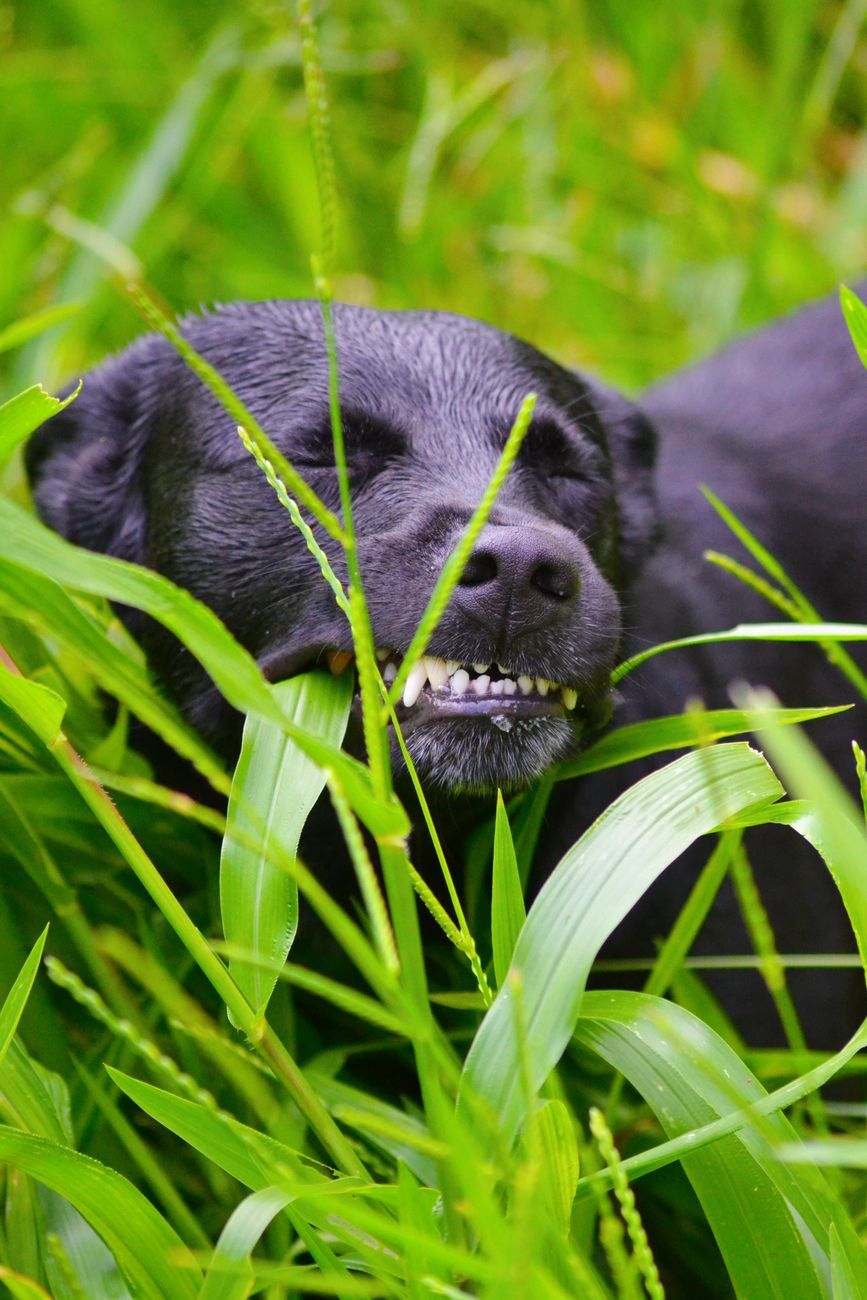
Why Does Your Dog Eat Grass on Walks, and Should You Stop It?
Animals & PetsDogs are known to exhibit various behaviors that may leave pet owners scratching their heads in confusion. One common behavior that many dogs display during walks is eating grass. If you've ever wondered why your furry companion insists on nibbling grass blades during your stroll in the park, you're not alone. In this article, we will delve into the reasons behind why dogs eat grass on walks and whether or not you should stop this behavior.

First and foremost, it's essential to understand that grass eating in dogs is a relatively common behavior. While some pet owners may find it perplexing or even concerning, experts believe that there are several reasons why dogs engage in this behavior.
One of the primary reasons why dogs eat grass is related to their digestion. In the wild, dogs' ancestors would consume plant matter as part of their diet to aid in digestion and to obtain essential nutrients. While domesticated dogs may not necessarily need to eat grass for nutritional purposes, the behavior may be an instinctual remnant from their wild counterparts.
Additionally, some experts suggest that dogs may eat grass as a way to alleviate gastrointestinal discomfort. If a dog is experiencing an upset stomach, they may instinctively seek out grass to induce vomiting or to help them feel better. While this behavior may seem odd to humans, it could be a sign that your dog is trying to self-medicate.
Another possible reason why dogs eat grass on walks is simply out of boredom or curiosity. Dogs are naturally curious creatures, and the sights and smells encountered during a walk may trigger the urge to explore and taste different things, including grass.
So, should you stop your dog from eating grass on walks? In most cases, occasional grass eating is considered normal behavior and may not necessarily be harmful to your dog. However, if your dog is consuming large amounts of grass frequently or if they are showing signs of illness such as vomiting, diarrhea, or lethargy after eating grass, it may be a good idea to consult with your veterinarian.
While grass itself is not toxic to dogs, there is a risk that the grass your dog ingests may have been treated with pesticides or fertilizers, which could be harmful if consumed in large quantities. To minimize this risk, it's advisable to supervise your dog during walks and to deter them from eating grass from unknown sources.
In conclusion, grass eating in dogs is a behavior that may have various underlying reasons, including an instinctual need for plant matter, gastrointestinal discomfort, or simply curiosity. While occasional grass eating is usually not a cause for concern, it's essential to monitor your dog's behavior and consult with a veterinarian if you have any concerns about their health.
Ultimately, understanding your dog's behavior, providing proper nutrition, and ensuring their overall well-being are key aspects of responsible pet care. So the next time your dog decides to snack on some grass during your walk, you can rest assured knowing that it's a relatively common behavior with potential roots in their canine ancestry.
Relevant posts
Animals & Pets
How Does a Giraffe Drink Water? Why a Simple Task Becomes a Real Challenge
Giraffes are fascinating creatures that roam the savannas of Africa, captivating anyone who sees them with their majestic appearance and graceful movements. These gentle giants are known for their long necks, towering legs, and distinctive spotted coats. However, one aspect of a giraffe's daily life that often goes unnoticed is how they drink water. What seems like a simple task for most animals becomes a remarkable challenge for these towering herbivores.Understanding how giraffes drink water r...
Animals & Pets
Why Does Your Dog Eat Grass on Walks, and Should You Stop It?
Dogs are known to exhibit various behaviours that may leave pet owners scratching their heads in confusion. One common behaviour that many dogs display during walks is eating grass. If you've ever wondered why your furry companion insists on nibbling grass blades during your stroll in the park, you're not alone. In this article, we will delve into the reasons behind why dogs eat grass on walks and whether or not you should stop this behaviour.First and foremost, it's essential to understand that...
Animals & Pets
Hippos: Why One of Africa's Most Dangerous Animals Looks So Calm
When you think of dangerous animals in Africa, lions, elephants, and crocodiles may come to mind. However, one of the most dangerous animals on the continent often goes overlooked due to its seemingly calm demeanour - the hippopotamus.Hippos, or hippopotamuses, are massive creatures that can be found in various bodies of water throughout Africa. Despite their peaceful appearance as they lazily float in rivers or lakes, hippos are responsible for more human deaths in Africa than any other large a...
Animals & Pets
Raccoon: Fascinating Habits and Unique Behavioural Traits
Welcome to the fascinating world of raccoons! These intriguing creatures, known for their distinctive black mask and ringed tail, exhibit a variety of unique behavioural traits and habits that make them truly captivating members of the animal kingdom.Raccoons, scientifically classified as Procyon lotor, are nocturnal animals, which means they are most active during the night. Their keen sense of night vision and sharp claws enable them to navigate through darkness with ease, making them well-ada...