Raccoon: Fascinating Habits and Unique Behavioral Traits
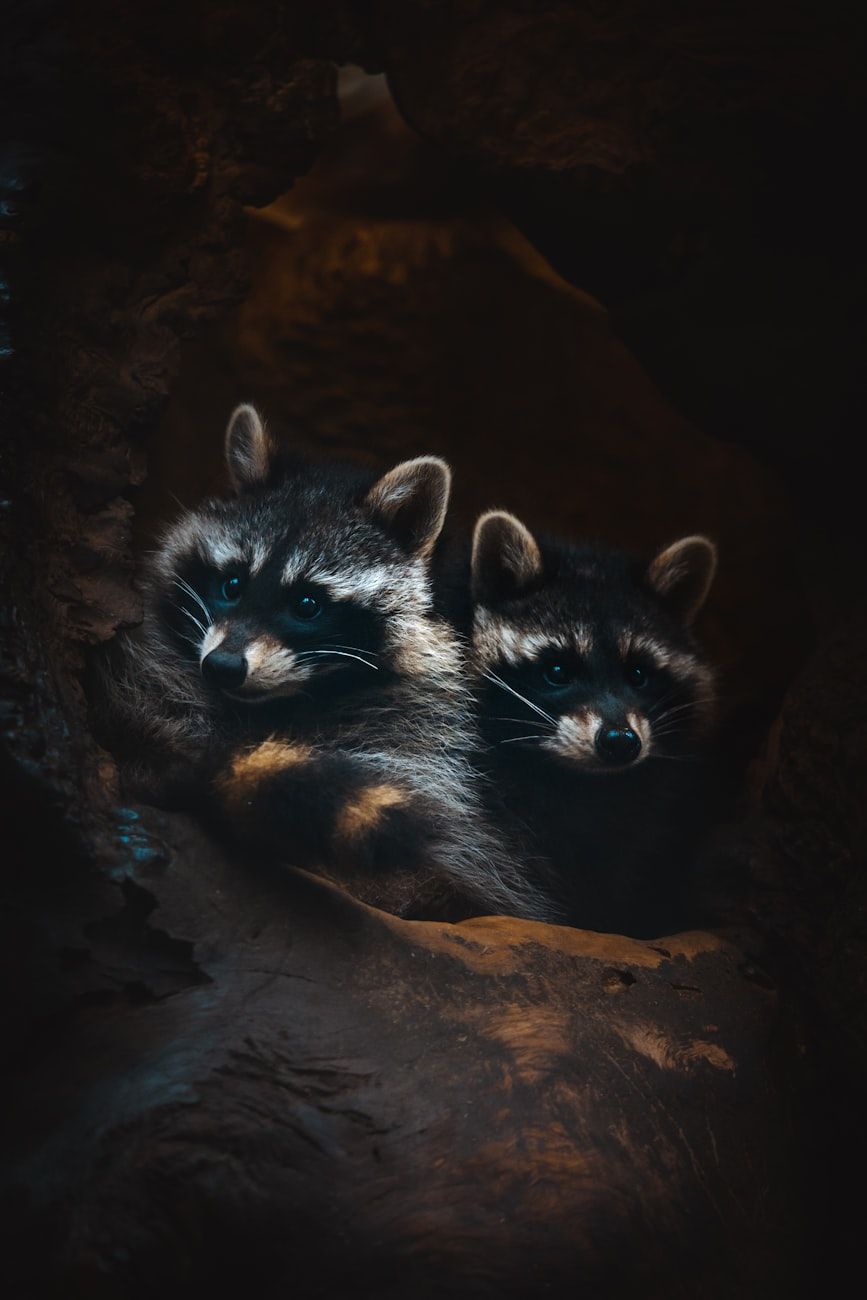
Animals & PetsWelcome to the fascinating world of raccoons! These intriguing creatures, known for their distinctive black mask and ringed tail, exhibit a variety of unique behavioral traits and habits that make them truly captivating members of the animal kingdom.

Raccoons, scientifically classified as Procyon lotor, are nocturnal animals, which means they are most active during the night. Their keen sense of night vision and sharp claws enable them to navigate through darkness with ease, making them well-adapted for hunting and foraging under the cover of night.
One of the most striking characteristics of raccoons is their exceptional intelligence. Studies have shown that raccoons possess problem-solving skills and memory capabilities that rival those of primates. Their dexterous paws allow them to manipulate objects and open containers, showcasing their resourcefulness and adaptability in various environments.
Wild raccoons are opportunistic omnivores, which means they have a diverse diet consisting of both plant and animal matter. From foraging for fruits, nuts, and berries to hunting for insects, small mammals, and birds, raccoons are skilled hunters that can adapt their diet based on seasonal availability and habitat conditions.
Raccoons are highly adaptable animals that have successfully established populations in urban areas, often venturing into residential neighborhoods in search of food and shelter. Their ability to thrive in urban environments has led to increased interactions with humans, prompting the need for coexistence strategies to ensure the well-being of both humans and raccoons.
When it comes to social behavior, raccoons are typically solitary animals, coming together primarily for mating purposes. Female raccoons, known as sows, raise their young, called kits, in dens located in trees, abandoned burrows, or other sheltered locations. Mother raccoons are dedicated caregivers, teaching their offspring essential survival skills until they are ready to fend for themselves.
In addition to their physical and behavioral attributes, raccoons are also known for their vocalizations, which range from chirps and chatters to growls and hisses. These vocal signals play a crucial role in communication among raccoons, helping them establish territories, locate mates, and alert others to potential threats.
As we continue to learn more about the remarkable raccoon and its habits, it is essential to approach these creatures with respect and appreciation for the vital role they play in the ecosystem. By understanding and respecting their unique behavioral traits, we can foster a harmonious coexistence with these urban wildlife residents and appreciate the beauty of these fascinating mammals.
Relevant posts
Animals & Pets
How Does a Giraffe Drink Water? Why a Simple Task Becomes a Real Challenge
Giraffes are fascinating creatures that roam the savannas of Africa, captivating anyone who sees them with their majestic appearance and graceful movements. These gentle giants are known for their long necks, towering legs, and distinctive spotted coats. However, one aspect of a giraffe's daily life that often goes unnoticed is how they drink water. What seems like a simple task for most animals becomes a remarkable challenge for these towering herbivores.Understanding how giraffes drink water r...
Animals & Pets
Why Does Your Dog Eat Grass on Walks, and Should You Stop It?
Dogs are known to exhibit various behaviours that may leave pet owners scratching their heads in confusion. One common behaviour that many dogs display during walks is eating grass. If you've ever wondered why your furry companion insists on nibbling grass blades during your stroll in the park, you're not alone. In this article, we will delve into the reasons behind why dogs eat grass on walks and whether or not you should stop this behaviour.First and foremost, it's essential to understand that...
Animals & Pets
Hippos: Why One of Africa's Most Dangerous Animals Looks So Calm
When you think of dangerous animals in Africa, lions, elephants, and crocodiles may come to mind. However, one of the most dangerous animals on the continent often goes overlooked due to its seemingly calm demeanour - the hippopotamus.Hippos, or hippopotamuses, are massive creatures that can be found in various bodies of water throughout Africa. Despite their peaceful appearance as they lazily float in rivers or lakes, hippos are responsible for more human deaths in Africa than any other large a...
Animals & Pets
Raccoon: Fascinating Habits and Unique Behavioural Traits
Welcome to the fascinating world of raccoons! These intriguing creatures, known for their distinctive black mask and ringed tail, exhibit a variety of unique behavioural traits and habits that make them truly captivating members of the animal kingdom.Raccoons, scientifically classified as Procyon lotor, are nocturnal animals, which means they are most active during the night. Their keen sense of night vision and sharp claws enable them to navigate through darkness with ease, making them well-ada...