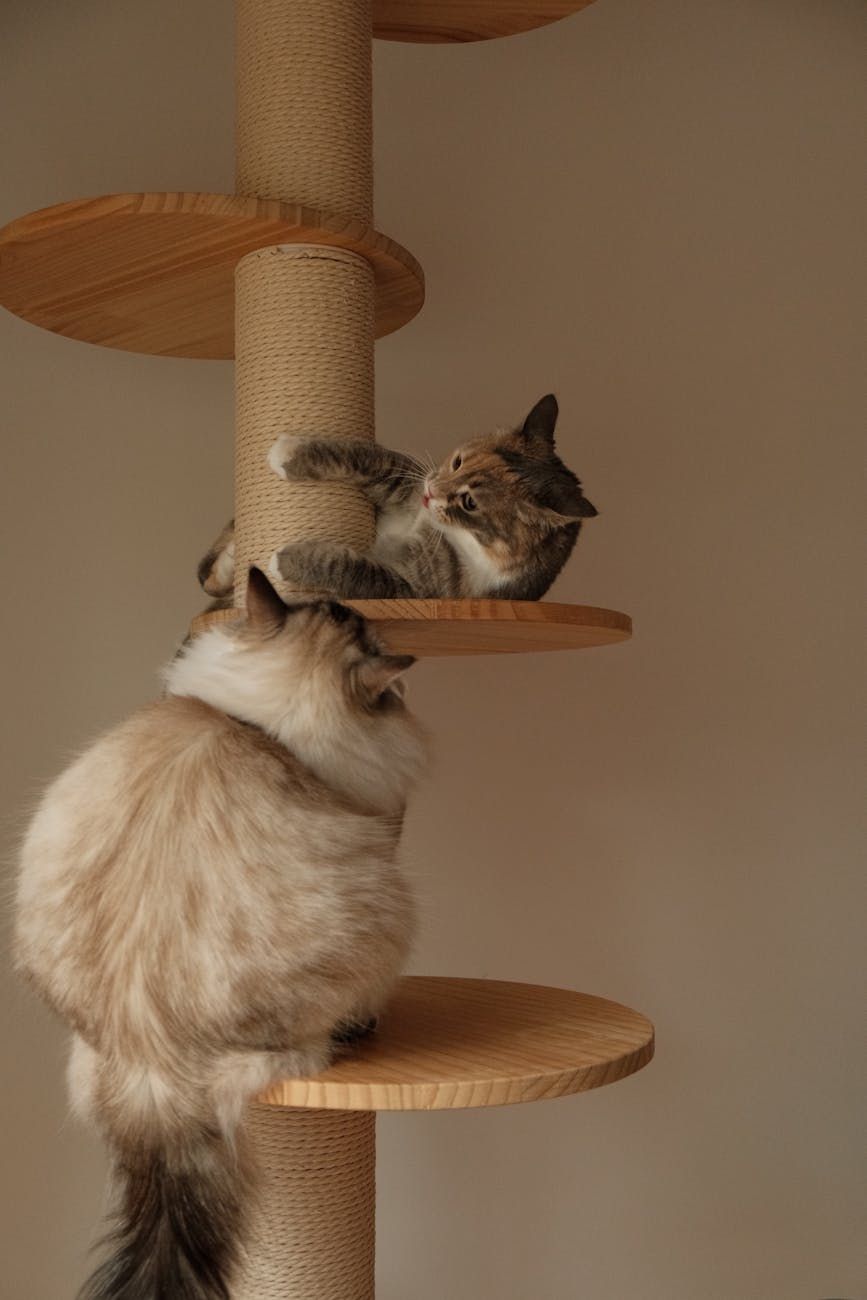
How to Train Your Cat to Use a Scratching Post: A Step-by-Step Guide
Animals & PetsWelcome to another guide on cat training! In this article, we will discuss how to train your cat to use a scratching post effectively. Cats have a natural instinct to scratch, and providing them with a suitable outlet for this behavior, such as a scratching post, can help prevent them from damaging your furniture. Let's dive into the step-by-step process of training your cat to use a scratching post.

Understand Your Cat's Behavior
Before you begin training your cat to use a scratching post, it's essential to understand why they scratch in the first place. Scratching helps cats mark their territory, stretch their muscles, and maintain their claws. By providing a scratching post, you are giving your cat a designated area to engage in this natural behavior.
Choose the Right Scratching Post
There are various types of scratching posts available, including vertical posts, horizontal posts, and cat trees with built-in scratching surfaces. Choose a scratching post that is tall enough for your cat to fully stretch and sturdy enough to withstand their scratching. Additionally, consider the material of the scratching post – sisal rope and cardboard are popular choices.
Placement is Key
Put the scratching post in a prominent location within your home where your cat spends a lot of time. Cats often prefer to scratch in areas where they can mark their territory or stretch after a nap. Encourage your cat to explore the scratching post by placing treats or catnip nearby.
Introduce Your Cat to the Scratching Post
When introducing your cat to the scratching post, gently guide them towards it and encourage them to investigate by using a wand toy or dangling a string near the post. You can also gently rub your cat's paws on the scratching post to transfer their scent, making it more appealing to them.
Positive Reinforcement
Positive reinforcement is key to training your cat to use a scratching post. Whenever you catch your cat using the scratching post, praise them, and offer treats or toys as rewards. Positive reinforcement will help your cat associate the scratching post with a positive experience.
Discourage Furniture Scratching
If you catch your cat scratching furniture, gently redirect them to the scratching post. Avoid punishing your cat for scratching furniture, as this can create fear and anxiety. Instead, consistently redirect them to the scratching post and reward them when they use it.
Be Patient and Consistent
Remember that training your cat to use a scratching post takes time and patience. Be consistent with your training methods and offer plenty of praise and rewards. If your cat is resistant to using the scratching post initially, try different types of scratching posts or surfaces to find what they prefer.
Conclusion
Training your cat to use a scratching post is a rewarding experience that can help preserve your furniture and satisfy your cat's natural instincts. By understanding your cat's behavior, choosing the right scratching post, and using positive reinforcement, you can successfully train your cat to use a scratching post. Remember to be patient, consistent, and always provide plenty of love and care for your feline friend.
Relevant posts
Animals & Pets
How Does a Giraffe Drink Water? Why a Simple Task Becomes a Real Challenge
Giraffes are fascinating creatures that roam the savannas of Africa, captivating anyone who sees them with their majestic appearance and graceful movements. These gentle giants are known for their long necks, towering legs, and distinctive spotted coats. However, one aspect of a giraffe's daily life that often goes unnoticed is how they drink water. What seems like a simple task for most animals becomes a remarkable challenge for these towering herbivores.Understanding how giraffes drink water r...
Animals & Pets
Why Does Your Dog Eat Grass on Walks, and Should You Stop It?
Dogs are known to exhibit various behaviours that may leave pet owners scratching their heads in confusion. One common behaviour that many dogs display during walks is eating grass. If you've ever wondered why your furry companion insists on nibbling grass blades during your stroll in the park, you're not alone. In this article, we will delve into the reasons behind why dogs eat grass on walks and whether or not you should stop this behaviour.First and foremost, it's essential to understand that...
Animals & Pets
Hippos: Why One of Africa's Most Dangerous Animals Looks So Calm
When you think of dangerous animals in Africa, lions, elephants, and crocodiles may come to mind. However, one of the most dangerous animals on the continent often goes overlooked due to its seemingly calm demeanour - the hippopotamus.Hippos, or hippopotamuses, are massive creatures that can be found in various bodies of water throughout Africa. Despite their peaceful appearance as they lazily float in rivers or lakes, hippos are responsible for more human deaths in Africa than any other large a...
Animals & Pets
Raccoon: Fascinating Habits and Unique Behavioural Traits
Welcome to the fascinating world of raccoons! These intriguing creatures, known for their distinctive black mask and ringed tail, exhibit a variety of unique behavioural traits and habits that make them truly captivating members of the animal kingdom.Raccoons, scientifically classified as Procyon lotor, are nocturnal animals, which means they are most active during the night. Their keen sense of night vision and sharp claws enable them to navigate through darkness with ease, making them well-ada...