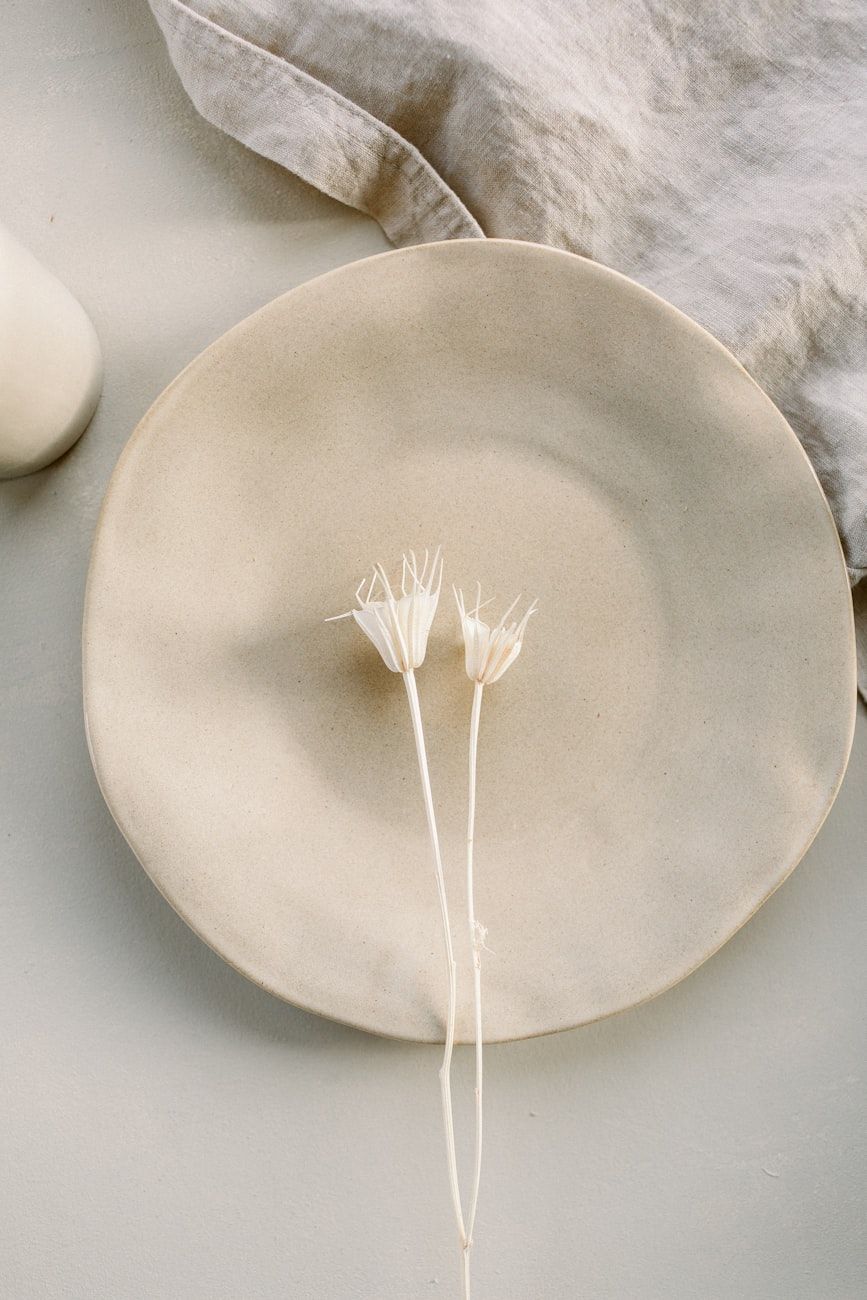
Buyer’s Guide: How to Distinguish Quality Handmade Ceramics from Mass-Produced Items
Handmade productsAre you someone who appreciates the beauty and charm of handmade ceramics? Do you find yourself drawn to the uniqueness and character of artisan pottery? In a world dominated by mass-produced items, there is something truly special about owning a piece of handcrafted pottery that has been lovingly made by a skilled artisan.

However, with the rise of artisan ceramics and the growing interest in handmade pottery, it can sometimes be challenging to distinguish quality handmade ceramics from their mass-produced counterparts. In this buyer’s guide, we will explore the key factors that will help you differentiate between authentic handmade ceramics and mass-produced items.
1. Examine the Details
One of the easiest ways to distinguish quality handmade ceramics from mass-produced items is to pay attention to the details. Handcrafted pottery often bears the marks of the artisan's craftsmanship, such as slight variations in glaze, shape, and texture. Look for imperfections that are unique to each piece, as they are a sign of the artisan's hand at work.
2. Feel the Texture
When it comes to quality ceramics, texture plays a significant role. Run your fingers over the surface of the pottery and feel for any irregularities or inconsistencies. Handmade ceramics often have a tactile quality that sets them apart from mass-produced items, giving them a unique and authentic feel.
3. Check for Uniformity
While handmade pottery celebrates the beauty of imperfection, it is essential to look for a certain level of uniformity in the piece. Check for consistent thickness in the walls of the ceramic, even glazing coverage, and well-balanced proportions. These elements indicate a level of skill and attention to detail that is characteristic of quality ceramics.
4. Inspect the Base
The base of a ceramic piece can reveal a lot about its craftsmanship. Handmade ceramics often have a slightly uneven or unglazed base, showing that the piece has been fired on stilts or kiln shelves. This is a common practice in artisan ceramics and is not typically found in mass-produced items.
5. Ask About the Process
When in doubt, don't hesitate to ask the artisan about their process. A genuine craftsman will be more than happy to share details about how they create their pottery, from the materials they use to their techniques and inspirations. Learning about the story behind the piece can deepen your appreciation for the art of ceramic craftsmanship.
By following these tips and being attentive to the details, you can confidently distinguish between quality handmade ceramics and mass-produced items. Investing in authentic handmade pottery not only supports talented artisans but also allows you to bring a piece of artistry and craftsmanship into your home.
Next time you are shopping for ceramics, remember these guidelines to help you identify and select the perfect handcrafted piece that speaks to your unique style and sensibilities.
Relevant posts
Handmade products
DIY Scented Candles: How to Create a Magical Home Atmosphere
In today's fast-paced world, it's essential to create a cosy and inviting atmosphere at home to unwind and relax. One of the best ways to achieve this is by incorporating DIY scented candles into your living space. Not only do homemade candles add warmth to your surroundings, but they also infuse the air with delightful fragrances that can instantly elevate your mood. In this guide, we will walk you through the process of making your own scented candles to help you create a magical home atmosphe...
Handmade products
Buyer’s Guide: How to Distinguish Quality Handmade Ceramics from Mass-Produced Items
Are you someone who appreciates the beauty and charm of handmade ceramics? Do you find yourself drawn to the uniqueness and character of artisan pottery? In a world dominated by mass-produced items, there is something truly special about owning a piece of handcrafted pottery that has been lovingly made by a skilled artisan.However, with the rise of artisan ceramics and the growing interest in handmade pottery, it can sometimes be challenging to distinguish quality handmade ceramics from their ma...
Handmade products
Affordable Handmade Materials: What You Can Buy at Your Local Shop
Are you someone who loves to embark on DIY projects and create handmade items? If so, you are likely always on the lookout for affordable handmade materials that can help bring your creative visions to life. While there are many online options for purchasing craft supplies, sometimes it's nice to browse the selection at your local shop. Not only can you find unique items that you may not come across online, but you can also support small businesses in your community.Local craft shops are often t...
Handmade products
The Second Life of Things: Upcycling as an Art Form
Welcome to the world of upcycling, where old items are given a new life and transformed into unique pieces of art. Upcycling is not just a trend; it's a creative movement that promotes sustainable practices and encourages the reuse of materials in innovative ways. In the realm of handmade products, upcycling shines as a form of art that combines creativity with eco-consciousness.Upcycling ideas are endless, from turning old glass bottles into chic vases to repurposing abandoned furniture into st...