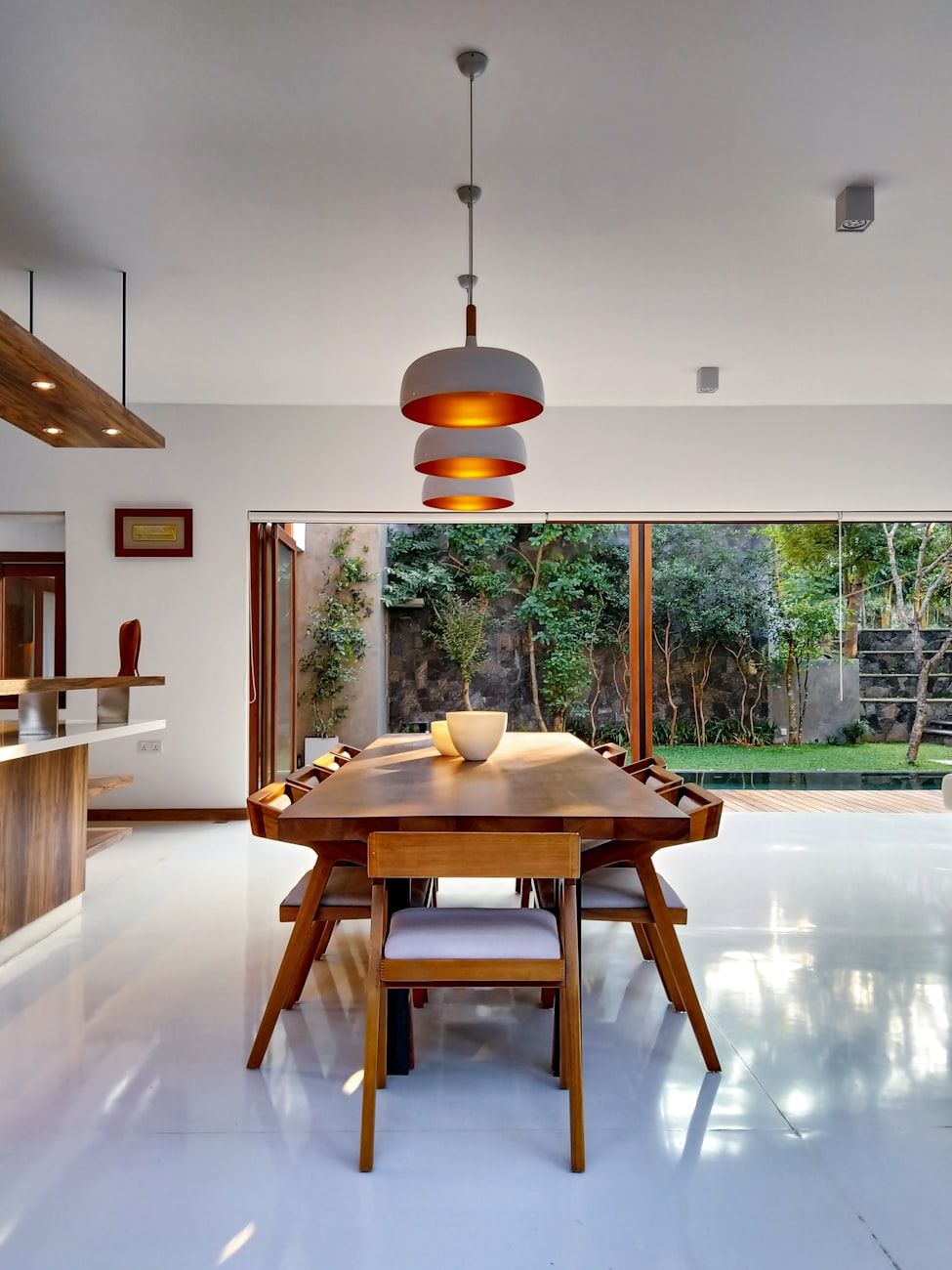
How to Properly Combine Lighting with Interior Design: Discover New Possibilities!
LightingLighting plays a crucial role in interior design, as it can completely transform the look and feel of a space. By combining different types of lighting, you can create a variety of lighting scenarios that enhance the overall design of a room. Whether you are looking to create a cozy atmosphere, highlight architectural features, or increase energy efficiency, understanding how to use lighting effectively is key to achieving your desired design goals.

There are three main types of lighting that are commonly used in interior design: accent lighting, architectural lighting, and functional lighting. Each of these types serves a specific purpose and can be used in combination to create the perfect ambiance in any space.
Accent lighting is used to draw attention to specific features or objects in a room, such as artwork, sculptures, or architectural details. By strategically placing accent lights, you can create focal points that add visual interest and depth to a space. This type of lighting is especially effective in highlighting a particular area or item that you want to showcase.
Architectural lighting, on the other hand, focuses on illuminating the structural elements of a space, such as ceilings, walls, or columns. This type of lighting is often used to create a sense of drama and can highlight the unique characteristics of a room's design. By using architectural lighting, you can enhance the overall aesthetics of a space and create a more visually appealing environment.
Functional lighting is designed to provide illumination for everyday tasks and activities, such as reading, cooking, or working. This type of lighting is essential for ensuring that a space is both practical and comfortable to use. By combining functional lighting with accent and architectural lighting, you can create a well-rounded lighting scheme that meets the needs of both form and function.
When combining different types of lighting, it is important to consider how they will interact with each other to create the desired effect. For example, mixing warm and cool light sources can help create a dynamic lighting scheme that adds depth and dimension to a space. Additionally, adjusting the color temperature of the lights can influence the mood and atmosphere of a room, allowing you to create different light effects depending on the desired ambiance.
In addition to considering the type and color of lighting, it is also important to think about energy efficiency when designing a lighting scheme. By using LED lights and incorporating smart lighting controls, you can reduce energy consumption and lower your carbon footprint while still achieving the desired lighting effects.
Another important factor to consider when combining lighting with interior design is space zoning. By dividing a room into different zones and lighting each area separately, you can create a more flexible and customizable lighting scheme that can adapt to different activities and moods. Whether you are looking to create a cozy reading nook or a bright workspace, space zoning allows you to tailor the lighting to meet your specific needs.
In conclusion, by properly combining lighting with interior design, you can discover new possibilities for creating unique and immersive spaces that enhance the overall aesthetic and functionality of your home or workspace. By understanding the different types of lighting, experimenting with light effects and color temperature, prioritizing energy efficiency, and implementing space zoning, you can achieve a lighting scheme that is both beautiful and practical. So, the next time you are designing a space, don't forget to consider the power of lighting and the impact it can have on your design vision!
Relevant posts
Lighting
Dining Table Lighting: How to Choose the Right Height, Size, and Number of Fixtures
Are you looking to elevate your dining room design with the perfect lighting fixtures? The right dining table lighting can enhance the ambiance of your space and create a cosy atmosphere for your meals. When it comes to choosing the right height, size, and number of fixtures for your dining area, there are a few key factors to consider to ensure optimal lighting and style. Let's dive into the world of dining table lighting and explore how you can make the most of your spa...
Lighting
Wall Light Panels: How to Turn Lighting into Part of Your Interior Design
Lighting plays a crucial role in interior design as it can transform the ambiance of a space and enhance its aesthetics. One unique way to integrate lighting into your interior design is through the use of wall light panels. These innovative fixtures not only provide illumination but also serve as decorative elements, adding both style and functionality to your home. Decorative Lighting Wall light panels offer a creative way to incorporate lighting into your decor. Whether you opt for LED wall p...
Lighting
Red Light Lamps Before Bed: Are They Really Better Than Regular Lighting?
When it comes to bedtime lighting, many people have heard about the benefits of using red light lamps instead of regular lighting before going to sleep. But the question remains - are red light lamps really better for your sleep quality than traditional lighting options?Our circadian rhythm, often referred to as our body's internal clock, plays a crucial role in regulating our sleep-wake cycle. Exposure to different types of light can have a significant impact on this rhythm, affecting our abili...
Lighting
Smart Bedside Lamps: Features That Are Actually Worth Using
When it comes to creating a relaxing and cosy atmosphere in the bedroom, smart bedside lamps play a crucial role. These innovative lighting solutions offer a host of features that not only enhance the aesthetic appeal of your sleep sanctuary but also improve functionality and convenience. In this article, we will delve into the key features of smart bedside lamps that are actually worth using.1. Voice Control LampGone are the days of fumbling for a switch in the dark. Smart bedside lamps with vo...