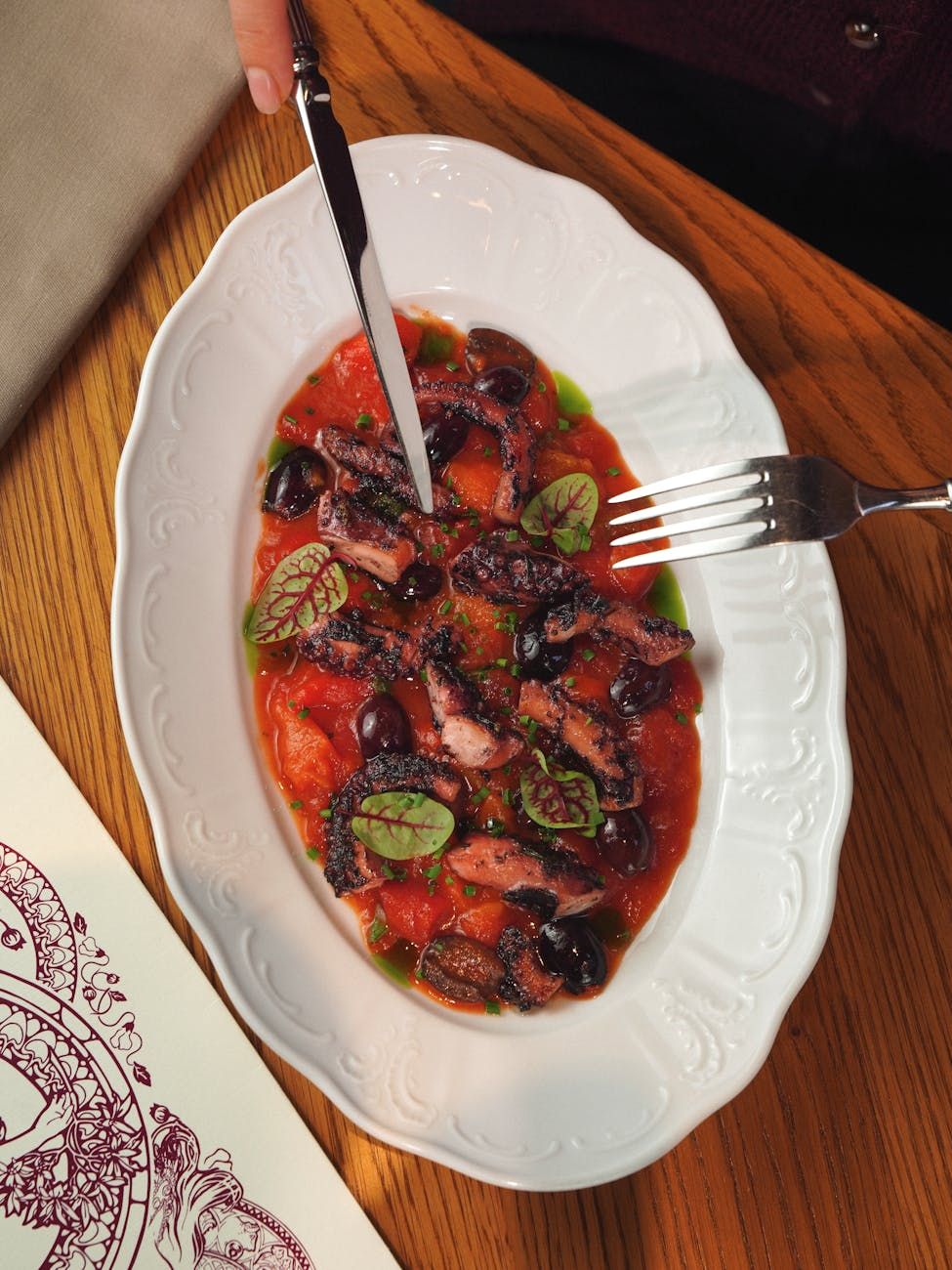
Psychogeometrics of the Kitchen: Why the Shape of Your Tableware Changes the Taste of Food
Kitchen, household & livingHave you ever noticed how the shape of your tableware can influence the way you perceive the taste of your food? The field of psychogeometrics explores the relationship between shapes and human emotions. When it comes to dining, the psychogeometrics of your kitchen can play a significant role in shaping your eating experience.

Tableware shapes, such as plates, bowls, and cups, can have a profound impact on food perception and taste psychology. The concept of sensory dining suggests that our senses, including sight, touch, and taste, are all interconnected when it comes to enjoying a meal.
Plate geometry, in particular, has been studied for its effects on how we experience food. The design of a dish can influence not only the visual presentation of a meal but also how we perceive its flavors. Different shapes and sizes of tableware can evoke varying emotional responses and affect our overall dining experience.
For example, round plates are often associated with a sense of comfort and familiarity. The curved edges of a round plate can create a feeling of wholeness and harmony, which may enhance the enjoyment of a meal. In contrast, square or angular plates can convey a sense of modernity and sophistication, influencing our perception of the food placed on them.
Furthermore, the shape of your tableware can impact portion control and mindful dining. Research has shown that the size and shape of a dish can affect how much food we serve ourselves and ultimately consume. Using smaller, more visually appealing plates may help promote healthier eating habits and a more mindful approach to dining.
When it comes to dish design, the color and material of your tableware can also influence taste perception. Studies have found that the color of a plate can affect the perceived flavor of food, with certain colors enhancing specific tastes. Additionally, the material of your dishes, such as ceramic, glass, or wood, can impact the temperature and texture of the food, further shaping your eating experience.
In conclusion, the psychogeometrics of the kitchen play a crucial role in how we perceive and enjoy our meals. By being mindful of the shapes, sizes, colors, and materials of our tableware, we can enhance our dining experience and savor the flavors of our food more fully. Next time you sit down to eat, consider how the shape of your tableware might be influencing your taste buds and try experimenting with different dish designs to elevate your culinary journey.
Shape influences taste, and by paying attention to the psychogeometrics of your kitchen, you can transform a simple meal into a sensory feast for both the body and the soul.
Relevant posts
Kitchen, household & living
Wardrobe Odours: What Causes Them and How to Keep Your Clothes Fresh
Has your wardrobe been invaded by unpleasant odours lately? If you've noticed a musty smell emanating from your clothes, it's time to tackle those wardrobe odours head-on. Keeping your clothes fresh and free of unpleasant smells is not only important for your comfort but also for maintaining the longevity of your garments. In this article, we'll explore the common causes of wardrobe odours and provide you with practical tips on how to ensure your wardrobe remains a haven of freshness.Understandi...
Kitchen, household & living
Manual vs. Electric Food Choppers: Which One Fits Your Kitchen?
When it comes to food preparation, having the right tools can make a world of difference. One such tool that can greatly impact your cooking experience is a food chopper. Whether you opt for a manual or electric food chopper depends on your cooking style, preferences, and kitchen needs. Let’s delve into the differences between manual and electric food choppers to help you determine which one fits best in your kitchen.Manual Food Choppers:Manual food choppers are typically operated by hand, req...
Kitchen, household & living
Small Kitchen, Big Results: Space-Saving Tools for Tight Spaces
In today's fast-paced world, small kitchens are becoming more common. Many people are living in flats or houses with limited space, which can make cooking a challenge. However, there are plenty of space-saving tools and gadgets on the market that can help you maximise your kitchen's potential and create delicious meals without feeling cramped.One of the key space-saving tools for small kitchens is the over-the-sink cutting board. This clever gadget fits over your sink, providing you with a sturd...
Kitchen, household & living
Why Does Dust Accumulate So Quickly at Home and How Can You Actually Reduce It?
Do you ever find yourself constantly battling the never-ending war against dust in your home? If so, you're not alone. Household dust is a common nuisance that plagues many homeowners, and it always seems to accumulate at an alarming rate. In this article, we'll explore why dust accumulates so quickly at home and provide you with some practical tips on how you can reduce it effectively.One of the main reasons why dust tends to accumulate rapidly in our homes is due to a combination of various fa...