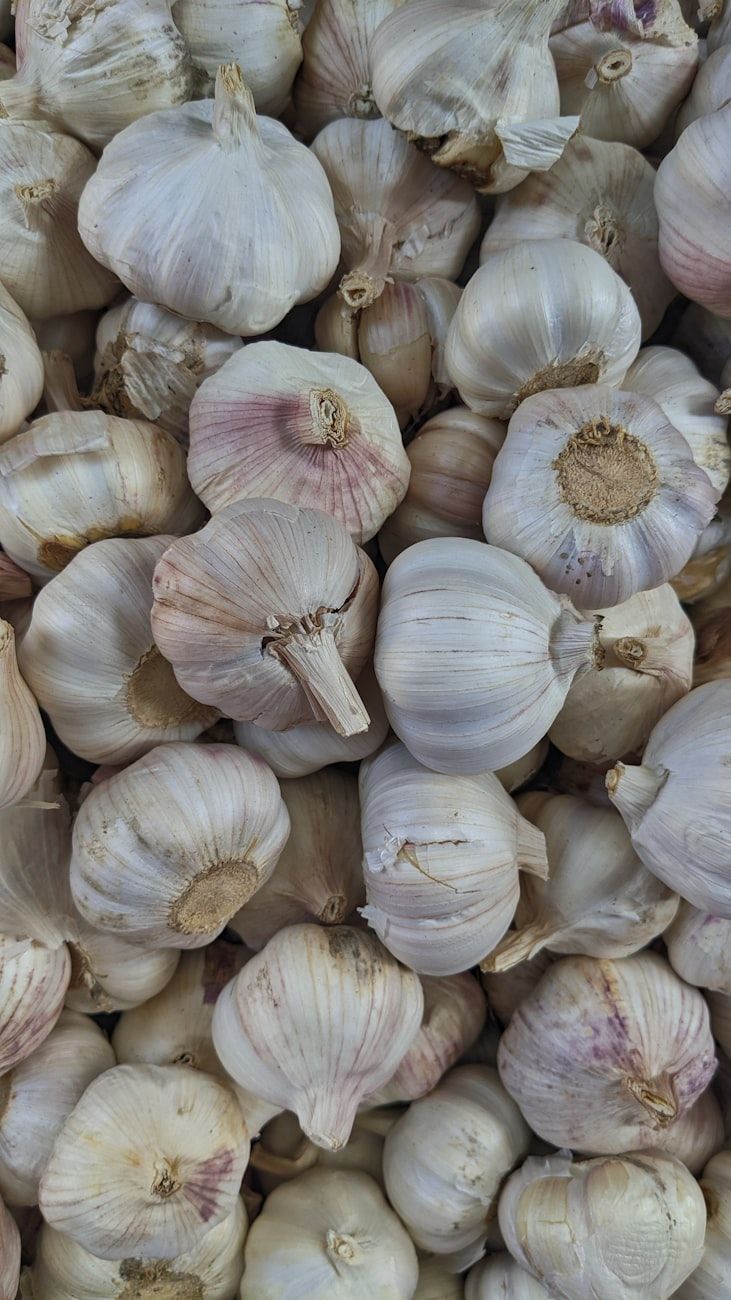
Planting Garlic in Fall or Spring: Which to Choose and How to Get a Great Harvest
GardenWhen it comes to growing garlic, one of the most common questions that gardeners face is whether to plant it in the fall or spring. Both seasons have their own set of advantages and considerations, so it's essential to understand the differences to make an informed decision on when to plant your garlic crop for a successful harvest.

Fall Garlic Planting
Planting garlic in the fall is the most traditional method for many gardeners. By planting in the fall, typically between September and November, you allow the cloves to establish roots before the ground freezes. This early start helps the garlic plants to develop a strong root system, which leads to healthier and more robust plants in the spring.
When choosing to plant garlic in the fall, it's crucial to select a variety that is suitable for fall planting, such as hardneck garlic varieties. These types of garlic require a period of cold dormancy to produce bulbs properly. Additionally, you'll want to plant your garlic cloves in well-draining soil with good sunlight exposure to ensure optimal growth.
Spring Garlic Planting
Spring planting is another option for growing garlic, typically done in early spring once the ground thaws and becomes workable. While the garlic plants will not have as much time to establish roots before the growing season, spring planting can still yield a successful crop if proper care is taken.
One advantage of planting garlic in the spring is that the cloves are less likely to be affected by diseases or rot in the ground over the winter months. Spring planting also allows for more flexibility in regions with harsh winters where fall planting may not be feasible.
Whether you choose to plant garlic in the fall or spring, here are some essential tips to help you achieve a great harvest:
- Choose High-Quality Seed Garlic: Select disease-free, high-quality garlic bulbs to use as seed garlic for planting.
- Prepare the Soil: Ensure the soil is well-draining and amend it with compost or organic matter to provide essential nutrients for the garlic plants.
- Plant at the Right Depth: Plant garlic cloves with the pointed end facing up at a depth of 2-3 inches and spaced 4-6 inches apart in rows.
- Mulch and Water Regularly: Mulch around the garlic plants to retain moisture and suppress weeds. Water consistently, especially during dry periods.
- Monitor and Fertilize: Keep an eye on the garlic plants for signs of pests or diseases. Fertilize sparingly with a balanced fertilizer if needed.
Whichever planting season you opt for, fall or spring, growing garlic can be a rewarding experience for any gardener. With the right care and attention, you can enjoy a bountiful harvest of flavorful garlic bulbs to use in your culinary creations. By following these tips and guidelines, you'll be on your way to growing garlic successfully in your garden.
Relevant posts
Garden
Hedge Instead of a Fence: Which Plants Can Quickly Create a Green Wall?
Creating a lush green wall in your garden doesn't always require the installation of a traditional fence. Instead, opting for hedge plants can be a more natural and aesthetically pleasing way to establish a boundary while enhancing the overall look of your outdoor space. Whether you're looking for a fast-growing hedge, privacy hedge, or simply want to add a touch of greenery to your garden, there are plenty of options to choose from.1. Fast-Growing Hedge PlantsWhen you need a quick solution for...
Garden
No-Dig Garden Beds: Why More Gardeners Are Giving Up the Spade
In the world of gardening, the no-dig method is gaining popularity among gardeners who are looking for a sustainable and low-maintenance way to cultivate their plants. No-dig gardening involves creating garden beds without the need for tilling the soil, making it an attractive option for those who want to maintain a healthy soil structure and minimise the disruption of the soil ecosystem.No-dig garden beds are designed to mimic the natural processes that occur in the soil, promoting the growth o...
Garden
Edible Hedges: Which Shrubs Can Beautify Your Garden and Produce a Harvest
When it comes to garden hedges, most people think of the typical greenery that adds a touch of privacy and beauty to outdoor spaces. But have you considered planting edible hedges in your garden? Not only do these shrubs provide a natural privacy screen, but they also offer a bountiful harvest of fruits and berries for you to enjoy. Let's explore the world of edible hedges and discover which shrubs can beautify your garden while providing a delicious yield.Edible hedges, also known as edible lan...
Garden
How to Choose Garden Swings That Will Become the Family's Favourite Relaxation Spot
Are you looking to transform your backyard into a relaxing oasis for the whole family to enjoy? One of the best ways to create a cosy and inviting outdoor space is by adding garden swings. Not only do garden swings provide comfortable outdoor seating, but they also offer the perfect spot for relaxation and unwinding after a long day.When it comes to choosing the right garden swings for your family, there are a few key factors to consider. From the style and design to the material and size, selec...