10 Tips for Growing Hydrangeas: How to Achieve Lush Blooms
GardenHydrangeas are beautiful and popular garden flowers known for their large, colorful blooms. With proper care and attention, you can enjoy vibrant hydrangea blooms in your garden. Whether you’re a seasoned gardener or just starting out, these 10 tips for growing hydrangeas will help you achieve lush blooms and healthy plants.

1. Choose the Right Variety
When selecting hydrangeas for your garden, consider the different varieties available. Some hydrangeas bloom on old wood, while others bloom on new wood. Choose a variety that is well-suited to your climate and growing conditions.
2. Prune Them at the Right Time
Pruning hydrangeas at the right time is essential for promoting new growth and blooms. For varieties that bloom on old wood, prune after they finish blooming in the summer. For those that bloom on new wood, prune in late winter or early spring before new growth appears.
3. Provide Adequate Watering
Hydrangeas require regular watering, especially during hot or dry periods. Keep the soil consistently moist but not waterlogged. Mulching around the base of the plant can help retain moisture and regulate soil temperature.
4. Use the Right Soil
Hydrangeas prefer well-draining soil that is rich in organic matter. A soil pH of around 5.5 to 6.5 is ideal for most hydrangea varieties. Consider amending your soil with compost or peat moss to improve its texture and nutrient content.
5. Fertilize Wisely
Applying fertilizer can help promote healthy growth and abundant blooms. Use a balanced fertilizer formulated for flowering plants, and follow the instructions on the label. Avoid over-fertilizing, as this can lead to excessive foliage growth at the expense of blooms.
6. Protect Them from Harsh Sunlight
Hydrangeas prefer partial shade or filtered sunlight, especially during the hottest part of the day. Exposure to intense sunlight can cause wilted leaves and scorched blooms. Plant them in a location where they can receive morning sun and afternoon shade.
7. Monitor for Pests and Diseases
Keep an eye out for common pests like aphids, mites, and powdery mildew that can affect hydrangeas. Regularly inspect your plants for any signs of damage or disease, and take appropriate measures to address the issue promptly.
8. Deadhead Spent Blooms
Removing faded blooms, a process known as deadheading, can encourage new growth and prolong the blooming period. Use sharp pruners to cut off spent flowers just above a healthy set of leaves or nodes.
9. Consider Changing Flower Color
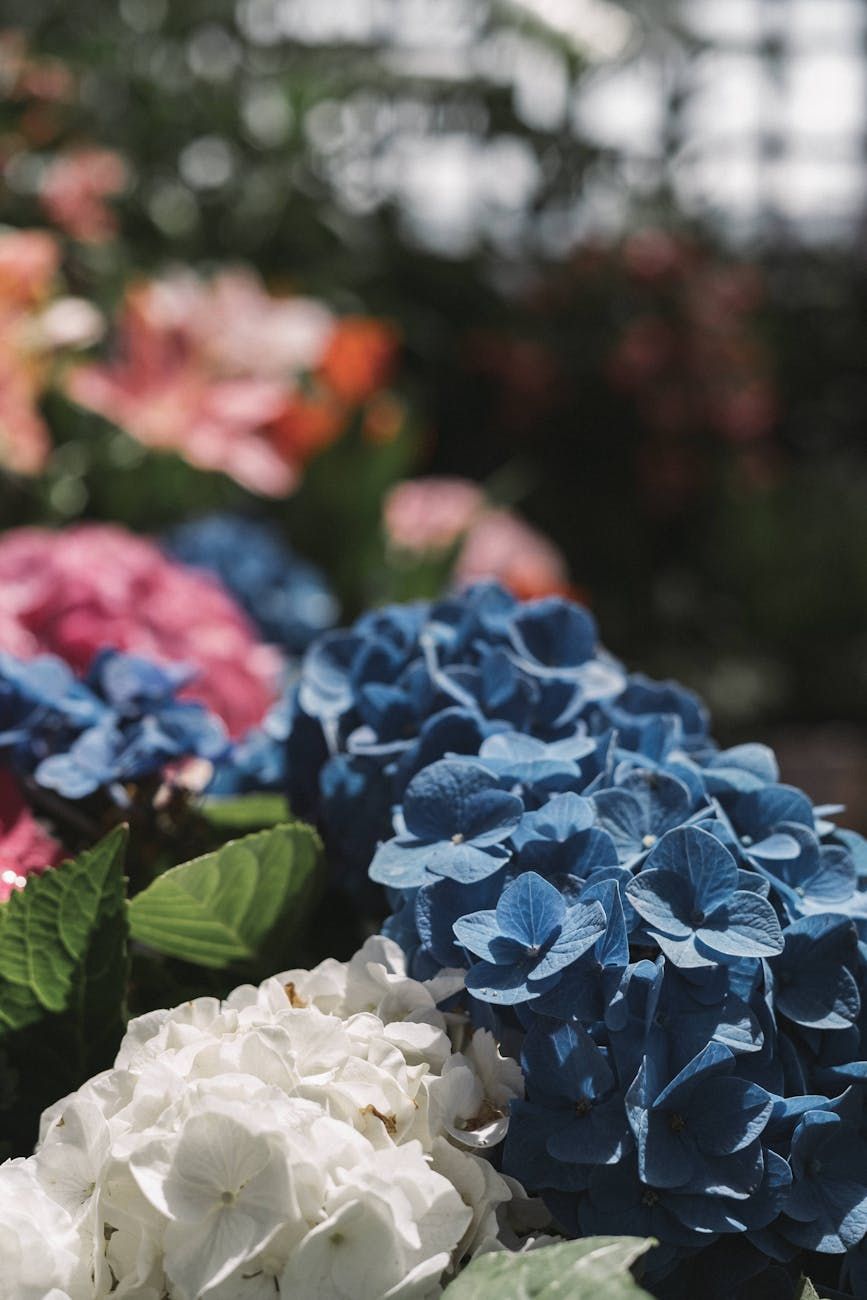
The color of hydrangea blooms can be influenced by soil pH. For example, acidic soil typically results in blue flowers, while alkaline soil produces pink flowers. You can adjust the soil pH by adding amendments like aluminum sulfate or lime to achieve your desired flower color.
10. Enjoy the Beauty of Hydrangeas
Above all, take the time to appreciate the beauty of hydrangeas in your garden. Whether you prefer the classic mophead blooms or the delicate lacecap varieties, hydrangeas can add a touch of elegance and charm to any outdoor space.
By following these 10 tips for growing hydrangeas, you can cultivate healthy plants with lush blooms that will enhance your flower garden for years to come.
Relevant posts
Garden
No-Dig Garden Beds: Why More Gardeners Are Giving Up the Spade
In the world of gardening, the no-dig method is gaining popularity among gardeners who are looking for a sustainable and low-maintenance way to cultivate their plants. No-dig gardening involves creating garden beds without the need for tilling the soil, making it an attractive option for those who want to maintain a healthy soil structure and minimise the disruption of the soil ecosystem.No-dig garden beds are designed to mimic the natural processes that occur in the soil, promoting the growth o...
Garden
Edible Hedges: Which Shrubs Can Beautify Your Garden and Produce a Harvest
When it comes to garden hedges, most people think of the typical greenery that adds a touch of privacy and beauty to outdoor spaces. But have you considered planting edible hedges in your garden? Not only do these shrubs provide a natural privacy screen, but they also offer a bountiful harvest of fruits and berries for you to enjoy. Let's explore the world of edible hedges and discover which shrubs can beautify your garden while providing a delicious yield.Edible hedges, also known as edible lan...
Garden
How to Choose Garden Swings That Will Become the Family's Favourite Relaxation Spot
Are you looking to transform your backyard into a relaxing oasis for the whole family to enjoy? One of the best ways to create a cosy and inviting outdoor space is by adding garden swings. Not only do garden swings provide comfortable outdoor seating, but they also offer the perfect spot for relaxation and unwinding after a long day.When it comes to choosing the right garden swings for your family, there are a few key factors to consider. From the style and design to the material and size, selec...
Garden
Seedling Greenhouses: Which Type Is Best?
Gardening enthusiasts know the importance of providing a nurturing environment for seedlings to thrive. Seedling greenhouses are a popular choice for achieving optimal growing conditions, but with various types available on the market, it can be challenging to determine which one is best suited for your needs. In this article, we will explore different types of seedling greenhouses and their features to help you make an informed decision.Mini GreenhouseA mini greenhouse is a compact option that...