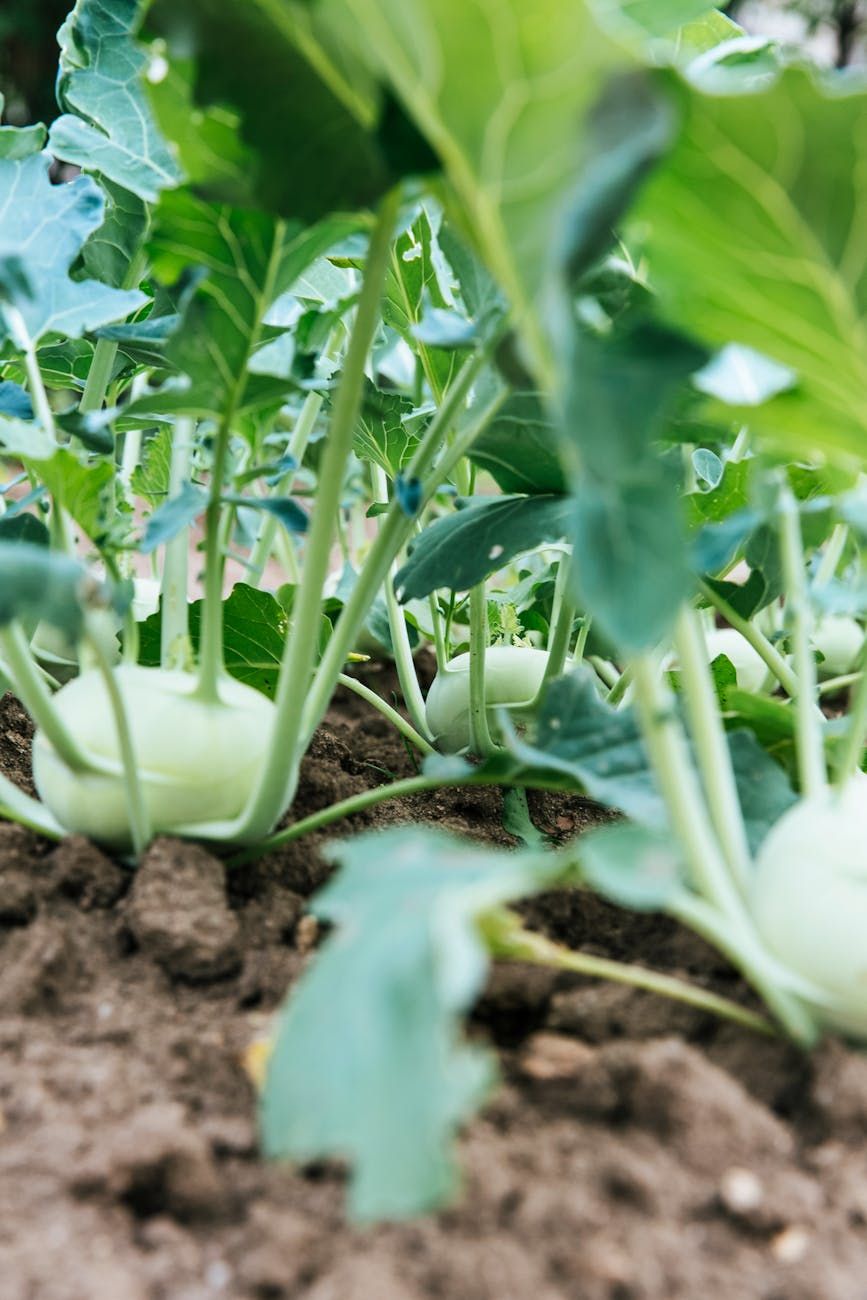
Greenhouse All Year Round: How to Grow Vegetables Without a Break
GardenAre you passionate about gardening and wish you could enjoy fresh vegetables from your own garden all year round? With a greenhouse, you can make this dream a reality by growing vegetables without a break. Greenhouses provide a controlled environment that allows you to extend your growing season and even grow produce during the winter months. Let's explore how you can set up a greenhouse for year-round vegetable gardening.

The Benefits of Using a Greenhouse
Greenhouses offer a range of advantages for avid gardeners. By creating a suitable microclimate, you can grow a variety of vegetables regardless of the external weather conditions. This means you can enjoy a fresh supply of organic produce throughout the year. Additionally, greenhouses provide protection from pests and diseases, ensuring healthier plants and higher yields.
Essential Elements for Year-Round Vegetable Gardening
When setting up a greenhouse for year-round vegetable gardening, there are several key elements to consider:
Climate Control:
Invest in a greenhouse with proper ventilation and heating systems to regulate temperature and humidity levels. This will create a conducive environment for plant growth regardless of the outdoor weather.
Quality Soil:
Use nutrient-rich soil or organic compost to provide essential nutrients for the vegetables. Consider implementing a crop rotation plan to maintain soil fertility and minimize the risk of diseases.
Optimal Lighting:
Ensure that your greenhouse receives sufficient natural light during the day. In cases of limited sunlight, consider supplemental grow lights to support plant growth, especially during the darker winter months.
Watering and Drainage:
Establish a proper watering schedule to keep the plants hydrated. Additionally, ensure proper drainage to prevent waterlogging, which can lead to root rot and other issues.
Growing Tips for Year-Round Vegetable Gardening
Here are some tips to help you maximize the efficiency of your greenhouse for year-round vegetable production:
Choose the Right Vegetables:
Select vegetables that thrive in the controlled environment of a greenhouse, such as tomatoes, cucumbers, peppers, and leafy greens. Research the ideal growing conditions for each crop to ensure successful cultivation.
Implement Succession Planting:
Plan your planting schedule to stagger the harvest times of different crops. This technique, known as succession planting, allows you to make the most of your greenhouse space and enjoy a continuous supply of fresh vegetables throughout the year.
Pollination:
Since greenhouses limit the access of pollinators like bees, consider hand-pollinating certain crops like tomatoes and peppers. Use a small brush to transfer pollen between flowers and facilitate fruit development.
Maintain Pest Control:
Regularly inspect your plants for signs of pests and diseases. Introduce natural predators like ladybugs or implement organic pest control methods to protect your crops without the use of harmful chemicals.
Conclusion
Greenhouses provide a sustainable and efficient way to grow vegetables year-round, offering a bountiful harvest of homegrown produce even in the coldest months. By incorporating climate control, quality soil, proper lighting, and watering techniques, you can create an optimal environment for your plants to thrive. With careful planning and maintenance, your greenhouse can be a source of fresh, organic vegetables throughout the year.
Embrace the opportunity to enjoy a diverse selection of vegetables from your greenhouse and elevate your indoor gardening experience with sustainable agricultural practices.
Relevant posts
Garden
Hedge Instead of a Fence: Which Plants Can Quickly Create a Green Wall?
Creating a lush green wall in your garden doesn't always require the installation of a traditional fence. Instead, opting for hedge plants can be a more natural and aesthetically pleasing way to establish a boundary while enhancing the overall look of your outdoor space. Whether you're looking for a fast-growing hedge, privacy hedge, or simply want to add a touch of greenery to your garden, there are plenty of options to choose from.1. Fast-Growing Hedge PlantsWhen you need a quick solution for...
Garden
No-Dig Garden Beds: Why More Gardeners Are Giving Up the Spade
In the world of gardening, the no-dig method is gaining popularity among gardeners who are looking for a sustainable and low-maintenance way to cultivate their plants. No-dig gardening involves creating garden beds without the need for tilling the soil, making it an attractive option for those who want to maintain a healthy soil structure and minimise the disruption of the soil ecosystem.No-dig garden beds are designed to mimic the natural processes that occur in the soil, promoting the growth o...
Garden
Edible Hedges: Which Shrubs Can Beautify Your Garden and Produce a Harvest
When it comes to garden hedges, most people think of the typical greenery that adds a touch of privacy and beauty to outdoor spaces. But have you considered planting edible hedges in your garden? Not only do these shrubs provide a natural privacy screen, but they also offer a bountiful harvest of fruits and berries for you to enjoy. Let's explore the world of edible hedges and discover which shrubs can beautify your garden while providing a delicious yield.Edible hedges, also known as edible lan...
Garden
How to Choose Garden Swings That Will Become the Family's Favourite Relaxation Spot
Are you looking to transform your backyard into a relaxing oasis for the whole family to enjoy? One of the best ways to create a cosy and inviting outdoor space is by adding garden swings. Not only do garden swings provide comfortable outdoor seating, but they also offer the perfect spot for relaxation and unwinding after a long day.When it comes to choosing the right garden swings for your family, there are a few key factors to consider. From the style and design to the material and size, selec...