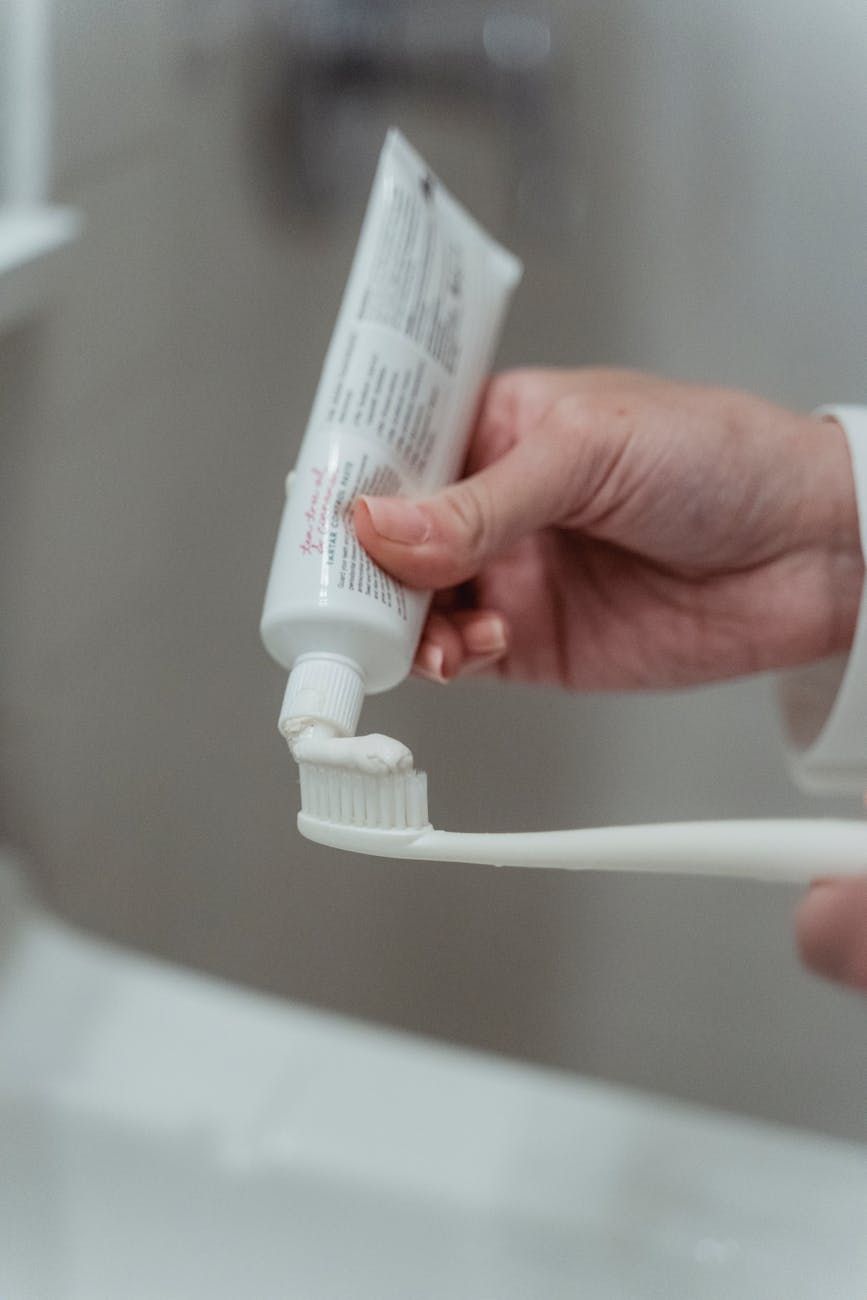
Toothpaste with or without fluoride: Which one to choose?
Drugstore & Personal CareWelcome to the ultimate guide on choosing the right toothpaste for your oral care needs: fluoride toothpaste vs. fluoride-free toothpaste. The debate over fluoride in toothpaste has been ongoing for years, with many people wondering whether they should opt for a fluoride-containing toothpaste or stick to a fluoride-free alternative. Let's delve into the details to help you make an informed decision.

Dental Health and the Role of Fluoride
Fluoride is a mineral that plays a crucial role in protecting your teeth from decay and cavities. It helps to strengthen the enamel, making it more resistant to acid attacks from plaque bacteria. Fluoride is considered a key ingredient in most toothpaste formulations due to its proven benefits in preventing tooth decay.
Fluoride Toothpaste: Benefits and Considerations
Fluoride toothpaste is widely recommended by dentists for its ability to support enamel protection and cavity prevention. Using a fluoride toothpaste as part of your daily oral hygiene routine can help maintain good dental health and reduce the risk of developing tooth decay.
It is important to note that fluoride toothpaste should be used in moderation, especially in children, to prevent fluorosis, a condition that can occur from excessive fluoride ingestion during the early years of life.
Fluoride-Free Toothpaste: What to Know
Fluoride-free toothpaste has gained popularity among consumers seeking alternatives to traditional toothpaste formulations. These toothpastes often contain natural ingredients and are free from fluoride, artificial colors, and preservatives.
While fluoride-free toothpaste may be suitable for individuals who prefer a more natural approach to oral care, it is essential to understand that these products may not provide the same level of cavity protection as fluoride toothpaste.
Choosing the Right Toothpaste for You
When deciding between fluoride toothpaste and fluoride-free toothpaste, it is essential to consider your individual dental health needs. If you are prone to cavities or have a history of dental issues, a fluoride toothpaste may be the better choice for maintaining optimal oral health.
On the other hand, if you are looking to avoid certain chemicals or additives in your toothpaste, a fluoride-free option could be a suitable alternative. It is always recommended to discuss your preferences with your dentist to determine the most appropriate toothpaste for your specific needs.
In Conclusion
Ultimately, the choice between fluoride toothpaste and fluoride-free toothpaste depends on your personal preferences and dental health goals. Both options have their respective benefits, and selecting the right toothpaste is a matter of understanding your individual needs and consulting with your dental professional.
Remember that consistent oral care practices, including regular brushing, flossing, and dental check-ups, are essential for maintaining a healthy smile regardless of the type of toothpaste you choose. Make an informed decision based on your unique circumstances to promote optimal dental health and overall well-being.
Stay tuned for more informative articles on oral care, dentistry, and making informed choices for a healthier smile!
Relevant posts
Drugstore & Personal Care
Shower Oil Instead of Gel: Why This Format Is Especially Beneficial for Dry Skin
In the realm of body care, the shower oil has slowly been gaining recognition as a valuable alternative to traditional shower gels, particularly for individuals with dry skin. This format offers a unique approach to cleansing that is especially beneficial for maintaining skin hydration and improving skin barrier function.When it comes to selecting a cleanser for dry skin, many individuals opt for products that provide moisturising benefits while gently cleansing the skin. Shower oils have garner...
Drugstore & Personal Care
Why Does Your Skin Feel Dry After a Shower? 5 Common Daily Care Mistakes
Are you someone who struggles with dry skin after a shower? You are not alone. Many people face this common issue, which can be caused by several daily care mistakes. Understanding the reasons behind your skin's dryness can help you make necessary adjustments to your shower routine and skincare regimen.1. Hot WaterOne of the most significant factors contributing to dry skin after a shower is the use of hot water. While hot showers may feel relaxing, they can strip your skin of its natural oils,...
Drugstore & Personal Care
Daily Sunscreen: Do You Really Need It Even When You're Staying Indoors?
As part of a comprehensive skincare routine, the use of sunscreen is often emphasised for its ability to protect the skin from harmful UV rays. But what about when you're indoors? The question of whether daily sunscreen is necessary even when you're not stepping out into the sun is a common one. Let's delve into the importance of daily sunscreen, even when staying indoors.UV Protection:One of the primary reasons why daily sunscreen is recommended is that UV rays can penetrate glass windows. Even...
Drugstore & Personal Care
Travelling With a Medical Condition: What Your Insurance Actually Covers
Travelling is an exciting and enriching experience that allows us to explore new destinations and immerse ourselves in different cultures. However, for individuals with medical conditions, planning a trip can be more challenging. From ensuring access to necessary medications to navigating potential health emergencies abroad, there are several factors to consider when travelling with a medical condition.One crucial aspect to address before embarking on a journey is understanding what your travel...