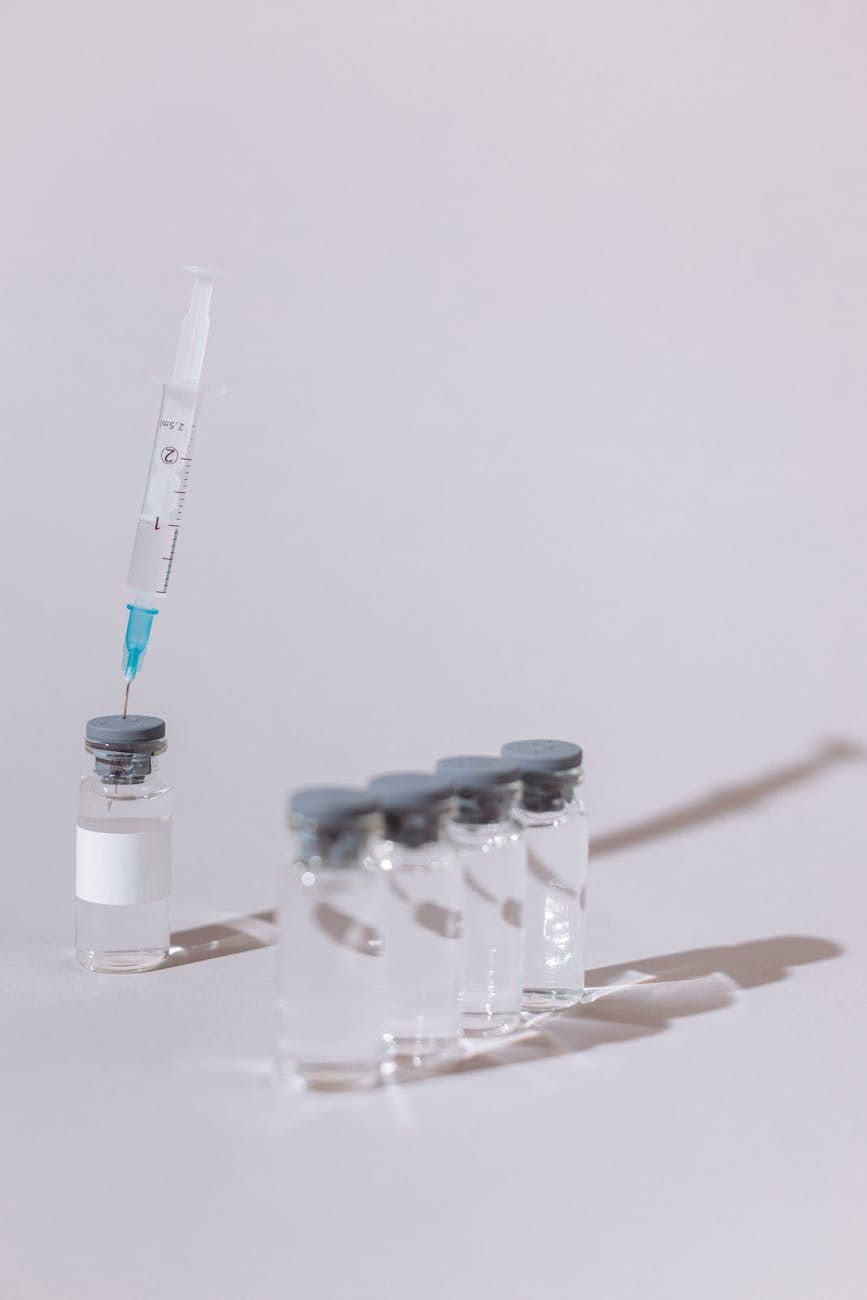
How to Protect Temperature-Sensitive Medications Without a Fridge
Drugstore & Personal CareWhen it comes to temperature-sensitive medications, ensuring they are stored correctly is crucial for maintaining their effectiveness. However, not everyone has access to a refrigerator or a reliable source of electricity to keep these medications at the required temperature. In such situations, it is important to explore alternative methods to protect these medications. Here are some tips on how to safeguard temperature-sensitive medications without a fridge.

1. Utilize Insulated Containers
Insulated containers are designed to maintain the temperature of their contents, making them ideal for storing temperature-sensitive medications. These containers are available in various sizes and can keep medications within the recommended temperature range for an extended period. To enhance insulation, consider using additional materials such as bubble wrap or thermal liners.
2. Use Cool Packs or Ice Packs
Cool packs or ice packs can help regulate the temperature of medications in the absence of a refrigerator. Simply freeze the packs and place them in a container alongside the medications. Be sure to wrap the packs in a cloth or towel to prevent direct contact with the medications, as extreme cold can also impact their effectiveness.
3. Opt for a Thermos or Vacuum Flask
Thermos or vacuum flasks are designed to retain hot or cold temperatures for an extended period. These containers can provide a stable environment for temperature-sensitive medications, especially when combined with additional insulation. Ensure the flask is clean and dry before placing medications inside to maintain their integrity.
4. Store Medications in a Dark and Cool Place
If refrigeration is not an option, storing medications in a dark and cool place can help protect them from temperature fluctuations. Avoid areas exposed to direct sunlight or heat sources, as these can affect the medication's stability. Closets, cabinets, or basements are potential locations for storing medications without a fridge.
5. Monitor the Temperature Regularly
Regardless of the storage method chosen, it is essential to monitor the temperature regularly to ensure medications are kept within the recommended range. Consider using a thermometer to check the temperature inside the storage container or area. If the temperature rises above or falls below the acceptable range, take immediate steps to adjust the storage conditions.
By being proactive and implementing these strategies, individuals can safeguard temperature-sensitive medications even without access to a fridge. Remember to consult with a healthcare provider or pharmacist for specific storage recommendations based on the type of medication being used. Prioritizing proper storage can help maintain the effectiveness and safety of these medications for optimal health outcomes.
Relevant posts
Drugstore & Personal Care
Shower Oil Instead of Gel: Why This Format Is Especially Beneficial for Dry Skin
In the realm of body care, the shower oil has slowly been gaining recognition as a valuable alternative to traditional shower gels, particularly for individuals with dry skin. This format offers a unique approach to cleansing that is especially beneficial for maintaining skin hydration and improving skin barrier function.When it comes to selecting a cleanser for dry skin, many individuals opt for products that provide moisturising benefits while gently cleansing the skin. Shower oils have garner...
Drugstore & Personal Care
Why Does Your Skin Feel Dry After a Shower? 5 Common Daily Care Mistakes
Are you someone who struggles with dry skin after a shower? You are not alone. Many people face this common issue, which can be caused by several daily care mistakes. Understanding the reasons behind your skin's dryness can help you make necessary adjustments to your shower routine and skincare regimen.1. Hot WaterOne of the most significant factors contributing to dry skin after a shower is the use of hot water. While hot showers may feel relaxing, they can strip your skin of its natural oils,...
Drugstore & Personal Care
Daily Sunscreen: Do You Really Need It Even When You're Staying Indoors?
As part of a comprehensive skincare routine, the use of sunscreen is often emphasised for its ability to protect the skin from harmful UV rays. But what about when you're indoors? The question of whether daily sunscreen is necessary even when you're not stepping out into the sun is a common one. Let's delve into the importance of daily sunscreen, even when staying indoors.UV Protection:One of the primary reasons why daily sunscreen is recommended is that UV rays can penetrate glass windows. Even...
Drugstore & Personal Care
Travelling With a Medical Condition: What Your Insurance Actually Covers
Travelling is an exciting and enriching experience that allows us to explore new destinations and immerse ourselves in different cultures. However, for individuals with medical conditions, planning a trip can be more challenging. From ensuring access to necessary medications to navigating potential health emergencies abroad, there are several factors to consider when travelling with a medical condition.One crucial aspect to address before embarking on a journey is understanding what your travel...