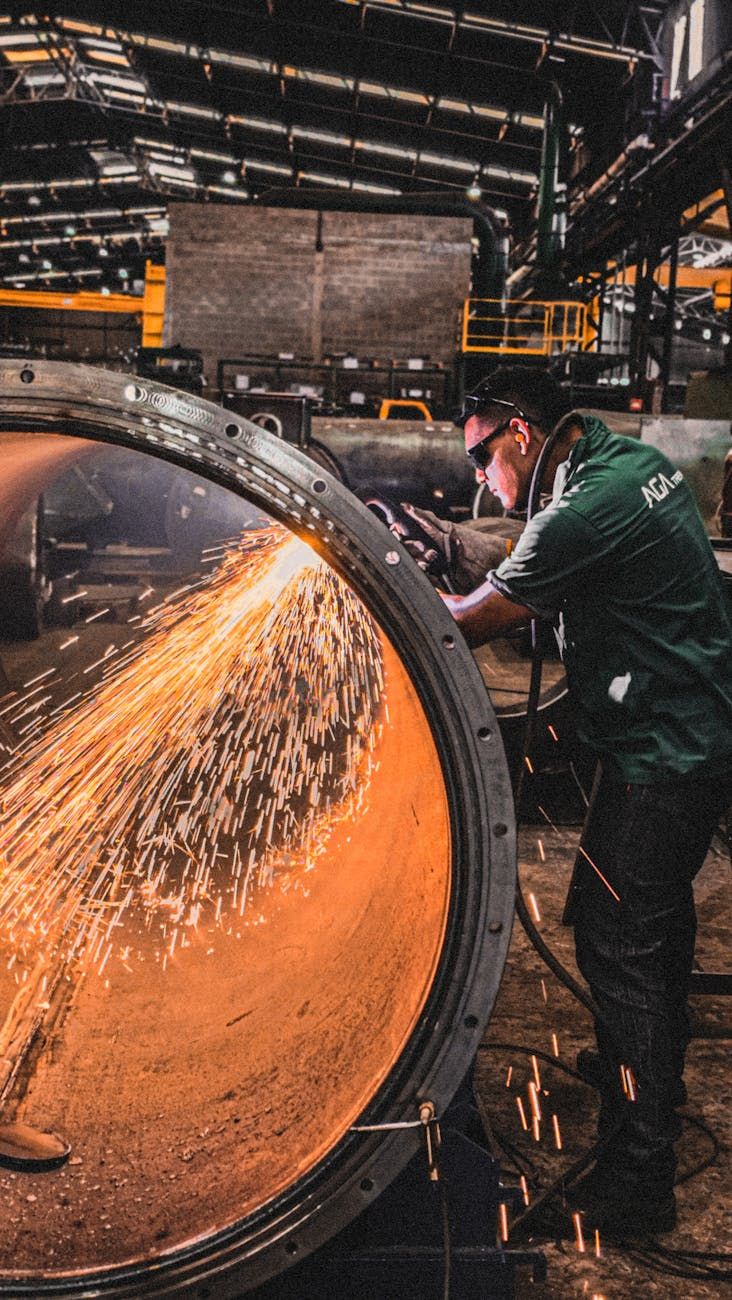
Metal Processing in Manufacturing: Next-Generation Technologies
Business, Industry & ScienceMetal processing has been a crucial aspect of manufacturing for centuries, but advancements in technology have revolutionized the way metals are transformed into essential components across various industries. The integration of smart manufacturing solutions, such as CNC machining, industrial automation, and precision engineering, has elevated metal processing to new heights, enabling companies to enhance efficiency, accuracy, and productivity. This article delves into the next-generation technologies shaping the landscape of metal processing in the manufacturing sector.

One of the key technologies driving innovation in metal processing is CNC machining. Computer Numerical Control (CNC) machines utilize digital instructions to precisely control cutting tools and produce complex metal parts with exceptional accuracy. This technology has significantly reduced lead times, minimized material waste, and improved the overall quality of manufactured components. As manufacturers strive for greater precision and consistency, CNC machining has become a cornerstone of modern metal processing operations.
Industrial automation is another transformative technology that has streamlined metal processing workflows and optimized production processes. Automation systems, including robotic arms and automated conveyor belts, have automated repetitive tasks, increased production throughput, and enhanced workplace safety. By harnessing the power of industrial automation, manufacturers can achieve higher levels of efficiency and scalability in metal fabrication processes.
Precision engineering plays a crucial role in metal processing, emphasizing the importance of meticulous design and engineering standards to achieve impeccable results. Through advanced modeling software and simulation tools, engineers can fine-tune product designs, optimize manufacturing processes, and deliver high-precision components tailored to specific requirements. The integration of precision engineering methodologies paves the way for superior product quality and performance in metal processing applications.
Laser cutting technology has emerged as a game-changer in the field of metal fabrication, offering unparalleled precision, speed, and versatility in cutting various metals with minimal heat-affected zones. By harnessing the power of lasers to cut through metal sheets with exceptional precision, manufacturers can achieve intricate designs, minimize material waste, and expedite production cycles. Laser cutting has become a go-to technology for industries seeking efficient and cost-effective metal processing solutions.
Factory technology is continuously evolving to support advanced metallurgy techniques and optimize manufacturing operations. From automated material handling systems to real-time monitoring and control solutions, factories are leveraging technology to improve efficiency, reduce downtime, and enhance overall productivity in metal processing. By investing in cutting-edge factory technologies, manufacturers can stay ahead of the competition and meet the demands of an increasingly dynamic market.
Advanced metallurgy is driving innovation in metal processing by enabling the development of high-performance alloys, composites, and materials with enhanced mechanical properties and environmental sustainability. By leveraging state-of-the-art metallurgical techniques, manufacturers can create lightweight yet durable components for applications in aerospace, automotive, and electronics industries. Advanced metallurgy is reshaping the future of metal processing and opening doors to new possibilities in manufacturing.
Manufacturing innovation is at the forefront of metal processing advancements, driving continuous improvements in processes, materials, and technologies. By embracing innovation and adopting next-generation solutions, companies can unlock new opportunities for growth, differentiation, and competitive advantage in the global marketplace. The relentless pursuit of manufacturing innovation is reshaping the metal processing landscape and propelling the industry towards a more efficient, sustainable, and technologically advanced future.
Relevant posts
Business, Industry & Science
Beyond the Fourth Cup: Caffeine Formats for Night Shifts, Long Drives and Late Study Sessions
For many of us, caffeine is the elixir that helps us power through late nights, long drives, and intense study sessions. Whether you're a night shift worker, a road-trip enthusiast, or a student burning the midnight oil, finding the right caffeine format can make all the difference in keeping you alert and focused when you need it most. Beyond the traditional cup of coffee, there are a plethora of caffeine formats that can cater to your specific needs and preferences.CoffeeCoffee is a timeless c...
Business, Industry & Science
How to Tell If Your Business Is Losing Money: 8 Expenses That Often Go Unnoticed
Running a business involves more than just generating revenue; it also requires careful management of business expenses to ensure profitability. While keeping an eye on obvious costs such as rent and salaries is crucial, there are many hidden business costs that can go unnoticed and lead to cash flow problems. Identifying and addressing these expenses is essential to prevent your business from losing money. In this article, we will explore 8 expenses that are often overlooked but can significant...
Business, Industry & Science
Rare Earth Metals: Who Controls the Most Critical Resource of the Technology Era?
In the world of technology and industry, rare earth metals play a crucial role as essential components in various high-tech applications. These rare earth elements have become the backbone of many modern devices, from smartphones and electric vehicles to renewable energy systems. As the demand for technology materials continues to soar, the race for control over rare earth metals has intensified, raising questions about the global supply chain and the concentration of production in certain regio...
Business, Industry & Science
How Scientists Are Searching for Planet Nine at the Edge of the Solar System
Scientists have long been intrigued by the mysteries of our Solar System, and one of the most captivating enigmas is the potential existence of a hidden planet - often referred to as Planet Nine - lurking at the edge of our cosmic neighbourhood. The search for this elusive celestial body has sparked a new wave of research and exploration focusing on the outskirts of the Solar System.Located beyond Neptune, in the region known as the Kuiper Belt, lies a range of icy objects called trans-Neptunian...