Cashier-Free Future: How Self-Service is Transforming Retail
Business, Industry & ScienceAs technology continues to advance, the retail industry is experiencing a significant transformation with the rise of self-service and cashier-free checkout options. This shift towards automation is revolutionizing the way consumers shop and pay for goods, paving the way for a cashless and seamless retail experience.

The concept of self-service in retail is not a new one, but recent innovations in AI, RFID technology, and computer vision have taken it to a whole new level. Retailers are leveraging these technologies to create smart stores that offer customers a frictionless shopping experience, allowing them to browse, select items, and make payments without the need for traditional cashier interactions.
One of the key technologies driving the self-service revolution is RFID (Radio-Frequency Identification). RFID tags on products enable seamless tracking of inventory and enable customers to simply pick up items and walk out of the store without the need to scan each item individually. This not only saves time for customers but also reduces friction in the checkout process, leading to improved customer satisfaction.
Computer vision technology is another game-changer in the retail industry, enabling stores to track customer movements, identify products being picked up, and automatically charge customers for their purchases. With computer vision cameras strategically placed throughout the store, retailers can monitor inventory levels in real-time and ensure shelves are always stocked with popular items.
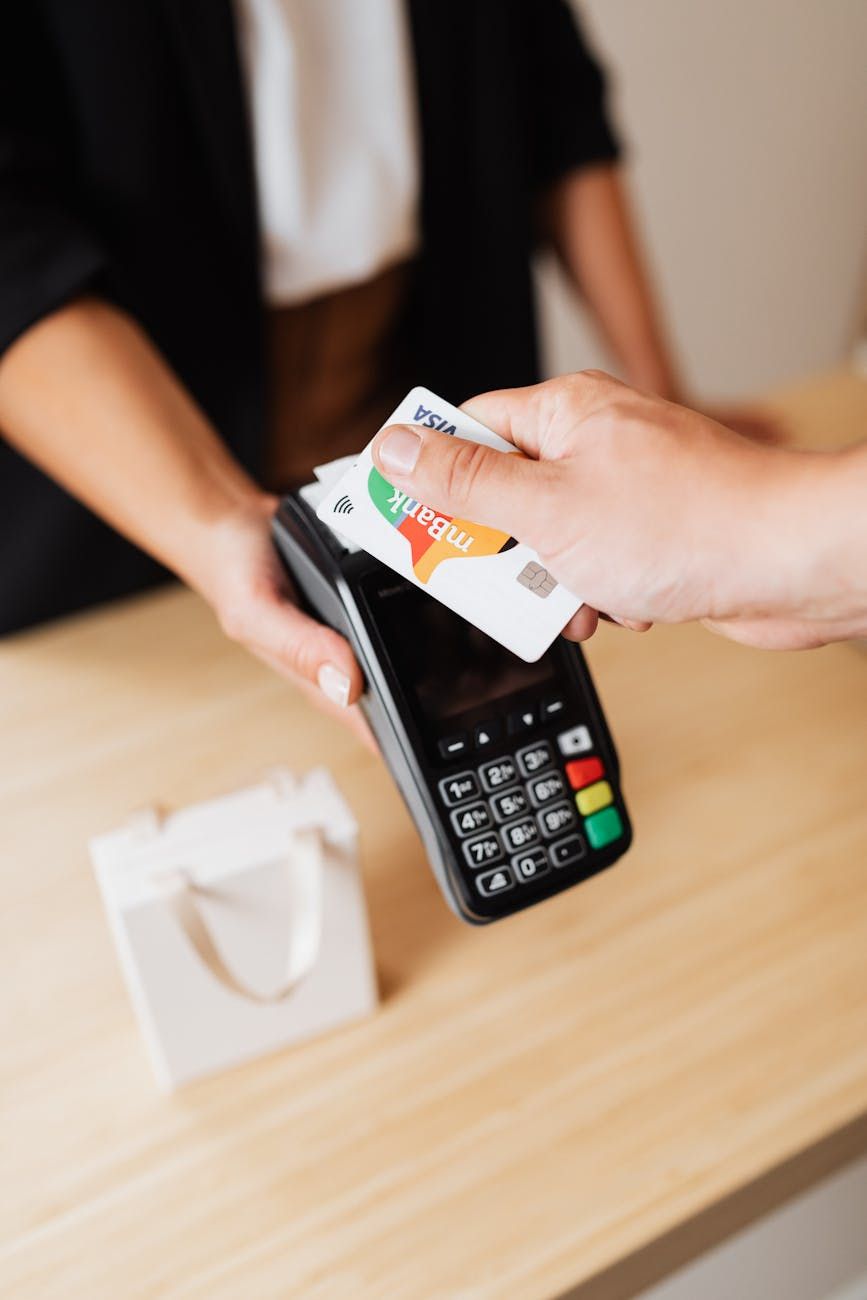
The advent of digital payments has further accelerated the shift towards cashier-free checkout. Customers can now make secure payments using their smartphones, smartwatches, or contactless cards, eliminating the need for physical cash or card swipes. This not only provides convenience to customers but also reduces the risk of theft and fraud in retail stores.
The future of commerce is undeniably moving towards a cashless and cashier-free model, driven by advancements in automation, AI, and digital payment technologies. As more retailers embrace self-service options and smart store solutions, consumers can expect a more efficient, personalized, and seamless shopping experience.
In conclusion, the rise of cashier-free checkout and self-service options in retail is revolutionizing the way we shop and pay for goods. With the integration of technologies like RFID, computer vision, and digital payments, the retail industry is evolving to meet the changing needs and preferences of consumers. The era of smart stores and automated checkout systems is here to stay, shaping the future of commerce and setting new standards for convenience and efficiency in retail.
Relevant posts
Business, Industry & Science
Rare Earth Metals: Who Controls the Most Critical Resource of the Technology Era?
In the world of technology and industry, rare earth metals play a crucial role as essential components in various high-tech applications. These rare earth elements have become the backbone of many modern devices, from smartphones and electric vehicles to renewable energy systems. As the demand for technology materials continues to soar, the race for control over rare earth metals has intensified, raising questions about the global supply chain and the concentration of production in certain regio...
Business, Industry & Science
How Scientists Are Searching for Planet Nine at the Edge of the Solar System
Scientists have long been intrigued by the mysteries of our Solar System, and one of the most captivating enigmas is the potential existence of a hidden planet - often referred to as Planet Nine - lurking at the edge of our cosmic neighbourhood. The search for this elusive celestial body has sparked a new wave of research and exploration focusing on the outskirts of the Solar System.Located beyond Neptune, in the region known as the Kuiper Belt, lies a range of icy objects called trans-Neptunian...
Business, Industry & Science
Why Family Businesses Often Survive Crises Better Than Large Corporations
In the turbulent world of business, where uncertainties and crises are inevitable, family businesses have proven to be more resilient compared to large corporations. The unique characteristics and practices of family-owned companies often play a significant role in their ability to weather storms and emerge stronger on the other side. Let's explore why family businesses often survive crises better than large corporations. 1. Crisis Management Family businesses are known for their agility i...
Business, Industry & Science
Is Distance Education Recognised by Employers?
In today's fast-paced world, distance education has become increasingly popular as a convenient and flexible way for individuals to enhance their skills and knowledge. With the rise of online learning platforms and virtual classrooms, many people are turning to distance education as a viable option for continuing their education while balancing other commitments such as work and family.However, one of the common questions that arise when considering distance education is whether it is recognised...