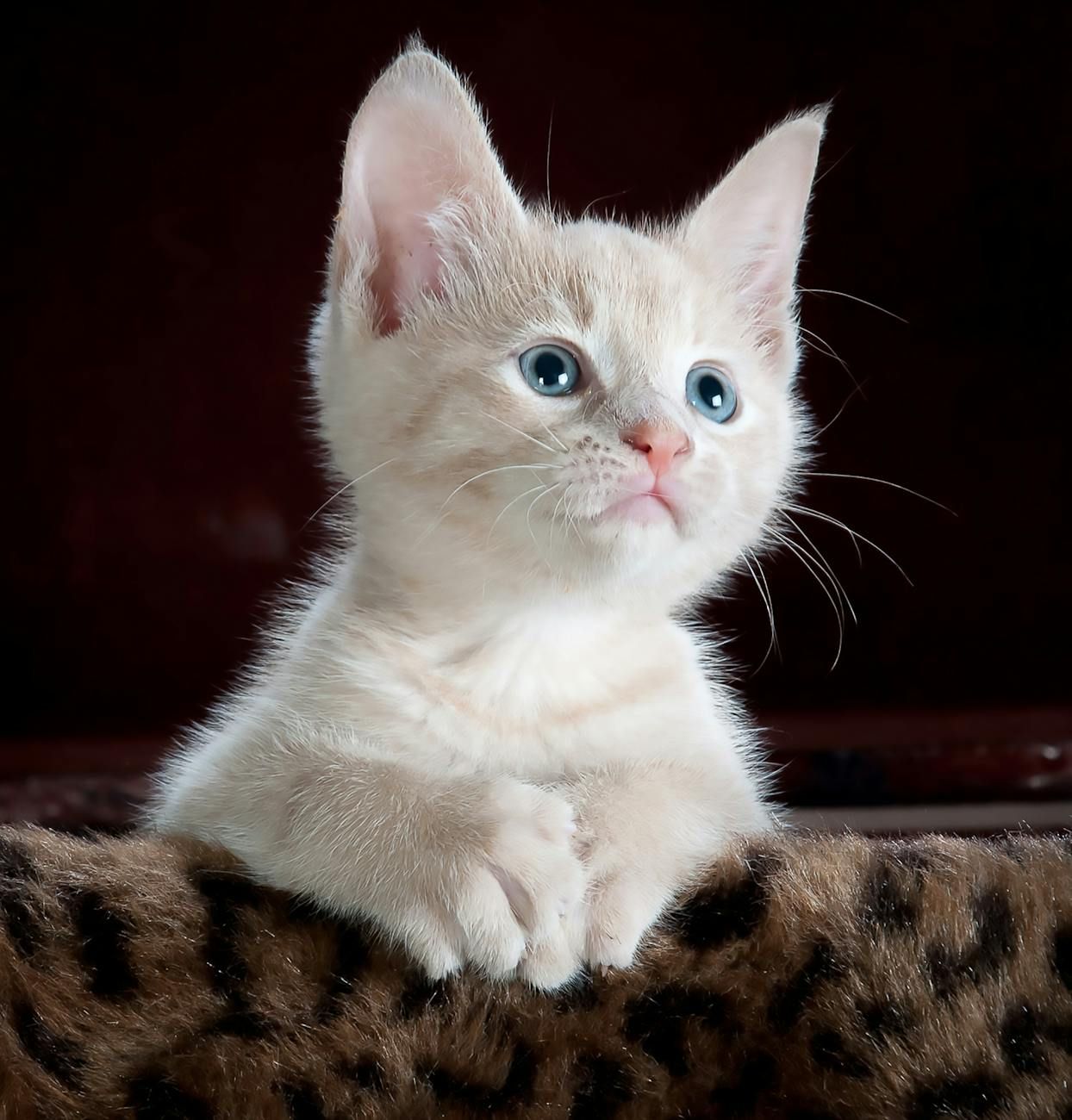
Why Do Cats Knead? Scientific Explanation and Curious Facts
Animals & PetsHave you ever wondered why cats knead? This adorable behavior of cats, where they push their paws in and out against a soft surface, such as a blanket or your lap, is not just random but has a scientific explanation behind it. In this article, we explore the reasons why cats knead, the instinct behind this behavior, and some curious facts about this unique habit of our feline friends.

Cats knead for several reasons, and one of the main theories suggests that it is a behavior carried over from kittenhood. When kittens are nursing, they knead their mother's belly to stimulate the flow of milk. This action is comforting to them, as it brings a sense of security and contentment. As cats grow into adults, they retain this instinct to knead as a way to recreate that comforting sensation from their early days.
Another reason why cats knead is to mark their territory. Cats have scent glands located in their paws, and when they knead, they release pheromones that help them claim their space. This behavior is often observed when a cat kneads on a new surface or when they are trying to make a place feel more familiar and safe.
Furthermore, kneading can also be a way for cats to stretch their muscles and exercise. Just like humans may stretch their arms or legs when they wake up, cats engage in kneading to flex their paws and work out the kinks in their muscles. It is a natural and instinctual way for them to keep their bodies limber and agile.
Despite the scientific explanations behind kneading, there are some curious facts about this behavior that make it even more intriguing. For instance, not all cats knead in the same way – some use both front paws alternately, while others may incorporate all four paws in the motion. The rhythm and intensity of kneading can also vary from one cat to another, with some cats being gentle and others more vigorous in their kneading action.
Additionally, cats may purr while kneading, further adding to the air of comfort and relaxation surrounding this behavior. The combination of rhythmic paw movements and the soothing sound of purring can create a calming effect, both for the cat and for those lucky enough to witness this adorable display of feline behavior.
Overall, the act of kneading is a fascinating aspect of cats' behavior that showcases their unique instincts and their inclination towards seeking comfort and security. So, the next time your beloved pet starts kneading on your lap or a soft blanket, you can appreciate this endearing habit even more knowing the science and reasons behind it.
Relevant posts
Animals & Pets
Why Does Your Dog Eat Grass on Walks, and Should You Stop It?
Dogs are known to exhibit various behaviours that may leave pet owners scratching their heads in confusion. One common behaviour that many dogs display during walks is eating grass. If you've ever wondered why your furry companion insists on nibbling grass blades during your stroll in the park, you're not alone. In this article, we will delve into the reasons behind why dogs eat grass on walks and whether or not you should stop this behaviour.First and foremost, it's essential to understand that...
Animals & Pets
Hippos: Why One of Africa's Most Dangerous Animals Looks So Calm
When you think of dangerous animals in Africa, lions, elephants, and crocodiles may come to mind. However, one of the most dangerous animals on the continent often goes overlooked due to its seemingly calm demeanour - the hippopotamus.Hippos, or hippopotamuses, are massive creatures that can be found in various bodies of water throughout Africa. Despite their peaceful appearance as they lazily float in rivers or lakes, hippos are responsible for more human deaths in Africa than any other large a...
Animals & Pets
Raccoon: Fascinating Habits and Unique Behavioural Traits
Welcome to the fascinating world of raccoons! These intriguing creatures, known for their distinctive black mask and ringed tail, exhibit a variety of unique behavioural traits and habits that make them truly captivating members of the animal kingdom.Raccoons, scientifically classified as Procyon lotor, are nocturnal animals, which means they are most active during the night. Their keen sense of night vision and sharp claws enable them to navigate through darkness with ease, making them well-ada...
Animals & Pets
Turkey Farming: What Beginner Farmers Need to Know
When it comes to poultry farming, turkey farming can be a rewarding venture for beginner farmers. Raising turkeys not only provides a potential source of income but also offers the opportunity to connect with these fascinating birds. Whether you're interested in turkey production for meat or simply enjoy their company on a small farm, there are key factors that every aspiring turkey farmer should consider. Choosing the Right Turkey Breeds Before diving into turkey farming, it's essential to rese...